



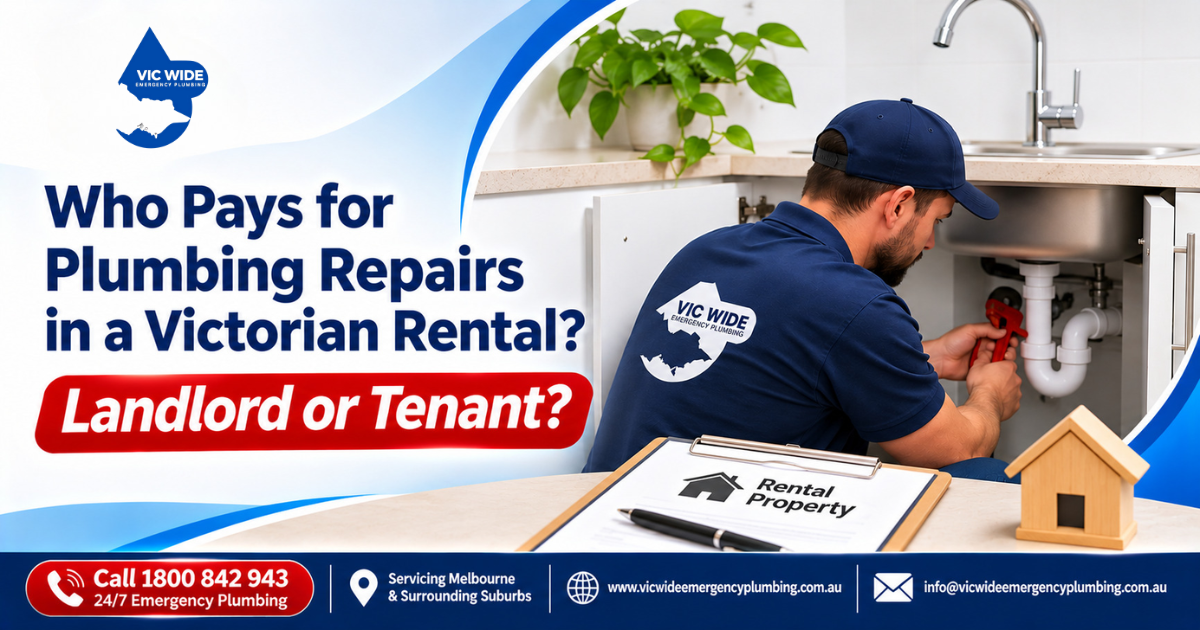
Plumbing problems can happen in any rental property. A leaking tap, blocked drain, burst pipe or broken hot water system can quickly become stressful for both tenants and landlords. But when a repair is needed, one important question often comes up: who is responsible for paying?
In Victoria, rental repair responsibilities are generally determined by the cause of the problem, the condition of the property and the requirements of the Residential Tenancies Act 1997.
In most cases, landlords (also known as rental providers) must arrange and pay for repairs that are not caused by the tenant. However, if a tenant damages plumbing through misuse, negligence or inappropriate use, they may be responsible for the reasonable repair costs.
This guide from Vic Wide Emergency Plumbing explains who pays for common rental property repairs, how plumbing disputes can be handled and what Victorian tenants and landlords should know.
1. Landlord Responsibilities: What Repairs Must They Pay For?
Under Victorian rental laws, landlords are generally responsible for maintaining the rental property in good repair and ensuring it meets applicable minimum standards.
If a plumbing issue is caused by ageing infrastructure, normal deterioration, structural problems or equipment failure that is not the tenant’s fault, the landlord is generally responsible for arranging and paying for the repair.
Common examples include:
| Repair type | Examples | Usual responsibility |
|---|---|---|
| Burst water pipes | Pipes failing due to age or deterioration | Landlord |
| Roof plumbing | Leaks caused by damaged roofing or flashing | Landlord |
| Blocked drains | Tree roots, collapsed pipes or deteriorated drainage | Landlord |
| Hot water systems | Failure of a supplied hot water system | Landlord |
| Water leaks | Leaking concealed pipes or faulty plumbing connections | Landlord |
| Structural plumbing | Damaged sewer or stormwater infrastructure | Landlord |
| General wear and tear | Deteriorating plumbing fittings through normal use | Landlord |
| Supplied appliances | Faults with landlord-provided appliances covered by the rental agreement | Generally landlord |
The exact responsibility can depend on the circumstances, but a tenant should not normally be charged for a plumbing problem they did not cause.
2. Tenant Responsibilities: When Does the Tenant Have to Pay?
Tenants are expected to take reasonable care of the rental property and avoid causing damage.
If a tenant or their visitor causes damage through misuse, carelessness or intentional actions, the tenant may be responsible for the reasonable cost of repairing it.
Examples include:
| Damage type | Examples | Usual responsibility |
|---|---|---|
| Blocked drains caused by misuse | Flushing inappropriate items down toilets | Tenant may be responsible |
| Kitchen sink blockages | Excessive food scraps or grease entering the drain | Tenant may be responsible |
| Physical damage | Breaking a tap or plumbing fitting through careless handling | Tenant may be responsible |
| Deliberate damage | Intentionally damaging pipes or fixtures | Tenant |
| Appliance misuse | Damage caused by using supplied equipment incorrectly | Tenant may be responsible |
| Negligent use | Damage resulting from failing to take reasonable care | Tenant may be responsible |
A landlord cannot automatically charge a tenant simply because a repair occurred during the tenancy. The cause of the damage needs to be considered.
Where a landlord believes the renter caused the damage, Victorian rules provide a process for giving the renter a written repair notice.
3. Plumbing Repairs: Who Pays for Common Problems?
Plumbing problems are among the most common maintenance issues in rental properties. However, responsibility can vary depending on what caused the fault.
Blocked Drains
A blocked drain does not automatically mean the tenant is responsible.
The landlord may pay when:
- Tree roots have entered underground pipes.
- Old or damaged pipes have collapsed.
- Drainage infrastructure has deteriorated.
- A structural defect is causing repeated blockages.
- The blockage is caused by an underlying plumbing problem.
The tenant may pay when:
- Inappropriate items have been flushed down the toilet.
- Excessive food scraps or grease have caused a blockage.
- Hair or other material has accumulated due to misuse or failure to take reasonable care.
If the cause is unclear, a professional drain inspection can help identify the problem. A CCTV drain inspection may reveal tree roots, damaged pipes, accumulated debris or foreign objects.
A plumber’s written findings can help both parties understand who may be responsible for the repair.
Burst Pipes and Water Leaks
A burst pipe can cause significant water damage if it is not addressed quickly.
The landlord is generally responsible when a pipe fails because of age, corrosion, deterioration, structural issues or another fault that is not the tenant’s responsibility.
If the tenant causes the damage through careless actions or misuse, they may be liable for the reasonable repair costs.
Tenants should report leaks as soon as they become aware of them. Delaying notification can allow a relatively small plumbing problem to develop into more extensive damage.
Hot Water System Failure
A failure of a supplied hot water system is generally the landlord’s responsibility.
Hot water is an essential service under Victorian rental law. If the system stops working, the tenant should notify the landlord or property manager immediately and request an urgent repair.
The landlord must arrange for the issue to be addressed immediately under the urgent repair requirements.
Leaking Taps and Toilets
A leaking tap, faulty cistern or running toilet may waste water and increase utility costs.
If the issue results from worn seals, ageing fittings or ordinary deterioration, the landlord is generally responsible.
If the damage was caused by the tenant, responsibility may be different.
A plumber can inspect the fitting, identify the cause and recommend the appropriate repair.
4. What About Appliances and Other Property Damage?
Not every maintenance problem is a plumbing issue. Rental properties may also contain appliances, heating systems, flooring and other fixtures that require repairs.
Responsibility generally depends on whether the item was supplied as part of the rental property, the terms of the agreement and the cause of the damage.
Appliance Repairs
If a refrigerator, oven or other appliance is supplied with the rental property, the landlord will generally be responsible for maintaining it in working order, subject to the circumstances and applicable rental requirements.
If a tenant damages an appliance through misuse or carelessness, they may have to cover the reasonable repair costs.
Tenants should check their rental agreement and property condition report when a dispute arises.
Carpet Stains and Damage
Normal wear from everyday use is generally the landlord’s responsibility.
However, significant damage beyond fair wear and tear, such as burns, large tears or stains caused by negligence, may make the tenant responsible.
The condition report and photographs taken at the beginning of the tenancy can help establish whether the damage was already present.
Paint and Wall Damage
Faded paint and ordinary deterioration are generally considered fair wear and tear.
However, large holes, deliberate damage or significant marks caused by careless use may be treated differently.
There is no universal rule that every nail hole or mark automatically makes a tenant liable. The circumstances and extent of the damage matter.
Broken Windows
If a window breaks because of age, structural failure or an external event outside the tenant’s control, the landlord may be responsible.
If the tenant or their visitor breaks it through careless or intentional behaviour, the tenant may have to pay for the repair.
5. Urgent vs Non-Urgent Repairs in Victoria
One of the most important things for tenants and landlords to understand is the difference between urgent and non-urgent repairs.
Victorian rental laws establish different requirements for each category.
Urgent Repairs
Urgent repairs must be arranged and completed immediately by the rental provider.
Examples of urgent repairs include:
- A burst water service.
- A blocked or broken toilet system.
- A serious roof leak.
- A gas leak.
- A dangerous electrical fault.
- Flooding or serious flood damage.
- Failure of an essential hot water, water, cooking, heating or laundry service.
- Failure of the gas, electricity or water supply.
- A supplied appliance or fixture that is faulty and causes significant water wastage.
If a tenant discovers an urgent plumbing problem, they should contact the landlord or property manager straight away using the emergency contact details provided at the start of the tenancy.
They should also confirm the request in writing and keep a record of the communication.
Non-Urgent Repairs
Non-urgent repairs are issues that do not fall within the legally defined urgent repair categories.
Examples may include:
- A dripping tap that is not causing significant water wastage.
- Minor plumbing adjustments.
- A small leak that does not create an immediate safety or property risk.
- General maintenance of plumbing fixtures.
Tenants should submit non-urgent repair requests in writing. The landlord must ensure the repair is completed within 14 days of receiving the written request.
If the problem becomes more serious, its urgency may need to be reassessed.
6. What Happens If a Landlord Does Not Arrange an Urgent Repair?
If a landlord or property manager does not respond to an urgent repair request, Victorian law provides options for tenants.
A tenant may arrange and pay for an urgent repair themselves if:
- They have contacted the landlord or property manager and requested the repair.
- The landlord or agent has not responded promptly.
- The repair costs no more than $2,500.
The landlord must reimburse the tenant within seven days after receiving the required request and supporting information.
If the repair costs more than $2,500, or the tenant cannot afford to pay upfront, they should seek assistance from Consumer Affairs Victoria or follow the appropriate dispute-resolution process.
Important: Tenants must continue paying rent while waiting for repairs or reimbursement. They should not simply stop paying rent or deduct repair costs from rent without following the legal process.
7. How to Handle a Plumbing Repair Dispute
Disagreements about repair costs can happen when landlords and tenants have different views about the cause of the problem.
Taking a practical and documented approach can help prevent unnecessary conflict.
Step 1: Report the Problem in Writing
Tenants should notify the landlord or property manager as soon as they discover a repair issue.
Include:
- A clear description of the problem.
- The date it was discovered.
- Photographs or videos where possible.
- Any relevant safety or property damage concerns.
Written communication creates a useful record if the matter later becomes disputed.
Step 2: Arrange a Professional Plumbing Inspection
If the cause of a plumbing issue is unclear, a qualified plumber can inspect the affected area and provide a written assessment.
For example, a blocked drain could be caused by tree roots, a damaged pipe or inappropriate materials entering the drainage system.
A professional diagnosis can help establish the likely cause and the work required.
Step 3: Keep Invoices and Repair Reports
Both parties should keep copies of:
- Plumbing inspection reports.
- Repair invoices.
- Photographs of the problem.
- Emails and messages.
- Receipts for urgent repairs.
These records can help support discussions about responsibility and reasonable repair costs.
Step 4: Use the Victorian Dispute Resolution Process
If the landlord and tenant cannot agree, they can seek assistance through Consumer Affairs Victoria and Rental Dispute Resolution Victoria (RDRV), where applicable.
If the matter remains unresolved, it may proceed to the Victorian Civil and Administrative Tribunal (VCAT).
The Rental Tenancy Bond Authority (RTBA) manages rental bonds. It is not the body responsible for mediating ordinary repair disputes.
8. Tips for Tenants and Landlords to Avoid Plumbing Disputes
A few simple steps can help both parties manage rental property maintenance more effectively.
For tenants:
- Report leaks and plumbing faults as soon as possible.
- Avoid putting grease, food scraps and unsuitable items down drains.
- Do not flush wipes or other inappropriate materials down toilets.
- Keep photographs of the property’s condition when moving in.
- Use written communication for repair requests.
- Keep copies of inspection reports and invoices.
- Do not attempt plumbing work that requires a licensed professional.
For landlords and property managers:
- Respond promptly to repair notifications.
- Arrange urgent repairs immediately.
- Maintain plumbing fixtures and supplied appliances.
- Keep records of maintenance and repairs.
- Use appropriately qualified and licensed tradespeople.
- Investigate repeated drainage and water leakage problems.
- Communicate repair arrangements clearly with tenants.
Good communication and timely maintenance can help protect the property and reduce the likelihood of disputes.
Final Thoughts
Understanding who pays for plumbing repairs in a Victorian rental property can save both landlords and tenants time, money and unnecessary disagreements.
In general, landlords are responsible for repairs that are not caused by the tenant, including problems resulting from ageing pipes, structural defects and ordinary deterioration. Tenants may be responsible when damage is caused by misuse, negligence or intentional actions.
The most important steps are to report problems promptly, establish the cause of the fault and keep written records of all repair requests and professional assessments.
Whether you are a landlord arranging maintenance or a tenant dealing with an unexpected plumbing issue, professional plumbing assistance can help identify the problem and determine the work required.
Frequently Asked Questions
1. Who pays for plumbing repairs in a Victorian rental property?
The landlord generally pays for plumbing repairs that are not caused by the tenant. If the tenant causes damage through misuse, negligence or intentional actions, they may be responsible for the reasonable repair costs.
2. Who pays for a blocked drain in a rental property?
It depends on the cause. The landlord generally pays if the blockage results from tree roots, damaged pipes or structural drainage problems. The tenant may be responsible if inappropriate items or misuse caused the blockage.
3. Who is responsible for a burst pipe in a rental home?
The landlord is generally responsible when a pipe bursts due to age, deterioration, corrosion or a structural fault. If the tenant caused the damage, they may be liable for the repair.
4. Who pays if the hot water system stops working?
The landlord is generally responsible for repairing or replacing a supplied hot water system. A failure of the hot water service is an urgent repair under Victorian rental law.
5. How quickly must a landlord fix urgent plumbing problems in Victoria?
Urgent repairs must be arranged and completed immediately. Tenants should contact the landlord or property manager straight away and keep written records of their request.
6. How long does a landlord have to complete non-urgent repairs?
In Victoria, rental providers must ensure non-urgent repairs are completed within 14 days of receiving a written repair request.
7. Can a tenant arrange an urgent plumbing repair without landlord approval?
If the tenant has contacted the landlord or property manager and they have not responded promptly, the tenant may arrange and pay for an urgent repair costing no more than $2,500, subject to the legal requirements. The landlord must reimburse the tenant within seven days.
8. Can a landlord charge a tenant for normal wear and tear?
No. A landlord generally cannot claim compensation for fair wear and tear. However, damage beyond normal use may make the tenant responsible for reasonable repair costs.
9. Who pays for a leaking tap in a rental property?
If the leak is caused by worn seals, ageing fittings or normal deterioration, the landlord is generally responsible. If the tenant caused the damage, responsibility may differ.
10. Can a landlord deduct plumbing repair costs from the tenant’s bond?
A landlord may seek compensation from the bond if the tenant is legally responsible for damage or another valid claim. They cannot claim bond money for repairs that are their responsibility or for fair wear and tear.
11. What should a tenant do if a landlord refuses to fix a plumbing problem?
The tenant should submit a written repair request and keep evidence of the issue. They can seek guidance from Consumer Affairs Victoria or Rental Dispute Resolution Victoria and may apply to VCAT if the dispute is not resolved.
12. Does a tenant have to pay for a plumber if the blockage was caused by tree roots?
Generally, no. Tree-root intrusion is usually an underlying drainage or infrastructure issue rather than tenant misuse. A plumber’s inspection report can help establish the cause.
Contact Vic Wide Emergency Plumbing
Experiencing a blocked drain, burst pipe, leaking tap or hot water system problem at your rental property?
Vic Wide Emergency Plumbing provides plumbing assistance across Melbourne and surrounding suburbs.
Phone: 1800 842 943
Email: info@vicwideemergencyplumbing.com.au
Website: https://www.vicwideemergencyplumbing.com.au/
Available 24/7 for emergency plumbing services.
Whether you are a tenant, landlord or property manager, contact Vic Wide Emergency Plumbing for professional assistance with your plumbing concerns.
-
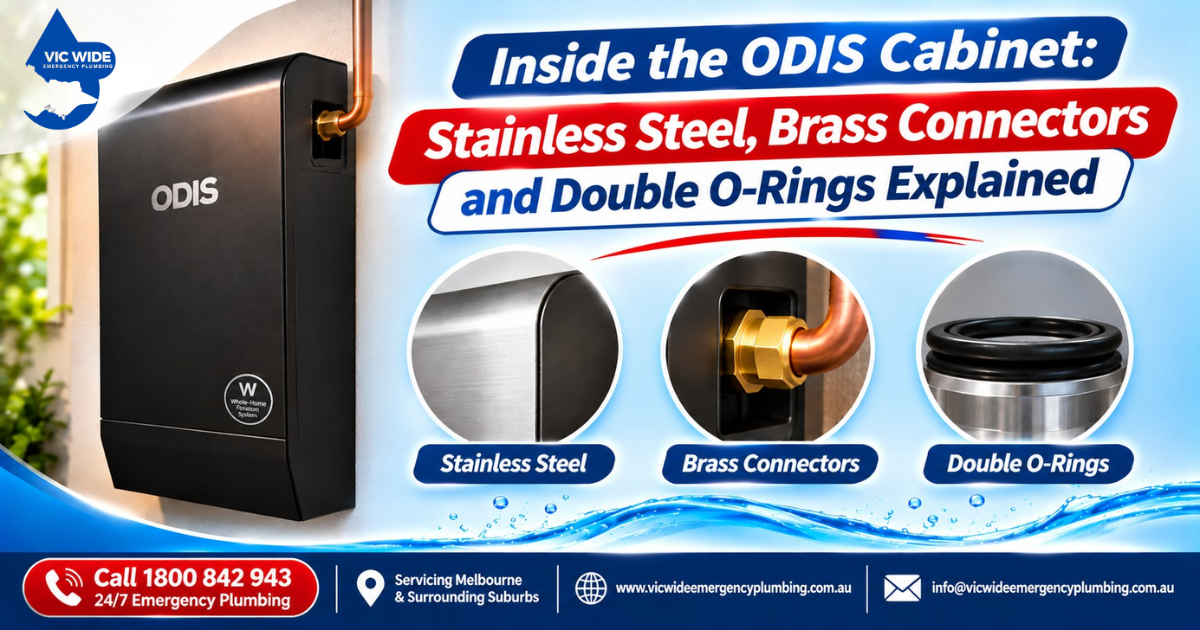 November Nov 2026Inside the ODIS Cabinet: Stainless Steel, Brass Connectors and Double O-Rings Explained
When choosing a whole-house water filtration system, the filtration cartridges are only one part of the equation. The cabinet, plumbing connections, sealing components and internal construction also play an important role in the system’s overall design and reliability. The ODIS Premium Whole Home Water Filtration System is designed as a three-stage point-of-entry solution, treating incoming […]
Read More -
 November Nov 2026Boiling Water vs Filtering Water: What’s the Difference?
Clean drinking water is essential for everyday life. Whether you are preparing tea, cooking meals or filling a glass from the kitchen tap, you want water that is suitable for drinking and tastes fresh. Two common ways of treating drinking water at home are boiling and filtration. Although both methods can improve certain aspects of […]
Read More -
 November Nov 2026PFAS in Melbourne Water, What They Are and How Water Filters Can Fix It
Water quality is an important concern for Australian households, and PFAS contamination has received increasing attention in recent years. Many Melbourne homeowners are now asking what PFAS chemicals are, how they can enter drinking water and whether household filtration systems can help reduce them. PFAS stands for per- and polyfluoroalkyl substances. These are a large […]
Read More