




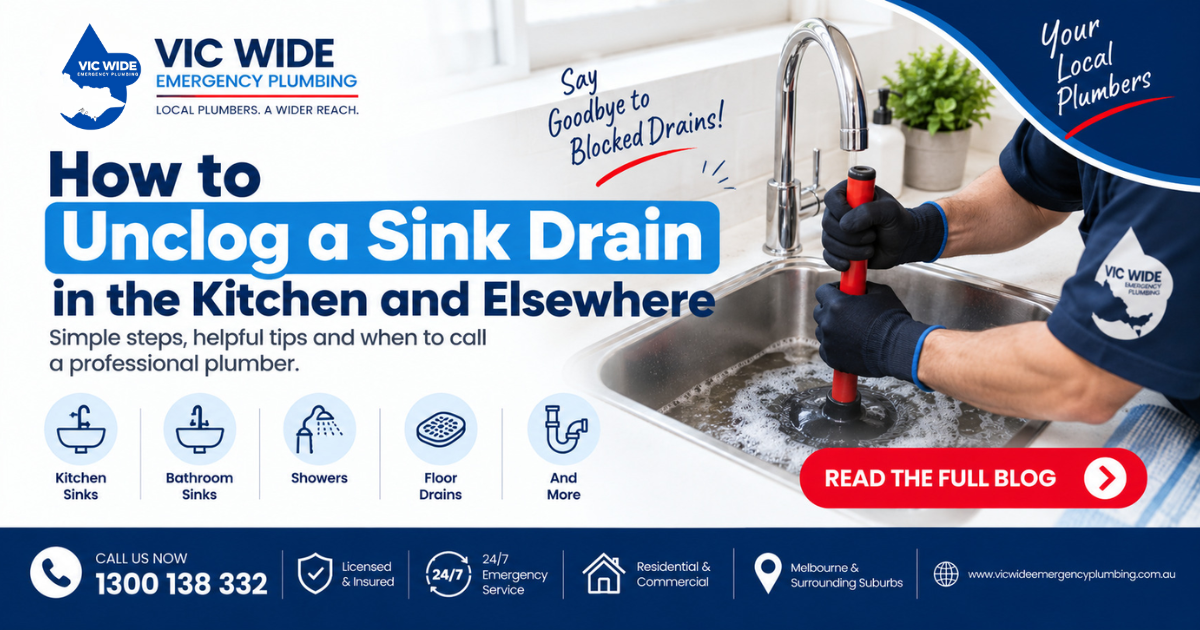
A blocked sink can be frustrating, especially when water starts draining slowly or stops completely. Whether it’s your kitchen sink, bathroom basin or another household drain, a blockage is often caused by food scraps, grease, hair, soap residue or other debris building up inside the pipe.
The good news is that some minor sink blockages can be addressed with a few simple techniques. However, if the blockage keeps returning, affects multiple drains or doesn’t respond to basic methods, it may indicate a deeper plumbing problem that requires professional attention.
Here are some practical ways to deal with a clogged sink and tips to help prevent future blockages.
What Causes a Sink Drain to Become Blocked?
Before trying to clear a blockage, it helps to understand what may be causing it.
Common causes include:
- Food scraps and debris
- Grease and cooking oils
- Coffee grounds
- Hair
- Soap residue
- Foreign objects
- Build-up inside the drainpipe
- A blockage further down the drainage system
Kitchen sinks are particularly prone to blockages because food particles, grease and oils can enter the drain and gradually accumulate.
Bathroom sinks can experience different problems, with hair, soap and personal-care products often contributing to slow drainage.
6 Ways to Unclog a Sink Drain
1. Flush the Drain With Hot Water
Hot water can help loosen some grease and residue inside a drain.
Start by removing as much standing water as possible. Carefully pour hot water down the drain and allow it to work through the pipe.
You may need to repeat the process if the water begins draining but the blockage remains.
Tip: Be cautious with very hot or boiling water, particularly if you have older or vulnerable plumbing materials. If you’re unsure, use hot water rather than extremely hot boiling water.
2. Try a Plunger
A sink plunger can be an effective way to loosen minor blockages.
To get started:
- Remove excess standing water if necessary.
- If you have a double-bowl sink, block the second drain.
- Place the plunger firmly over the blocked drain.
- Pump the plunger up and down several times.
- Remove the plunger and check whether the water begins to drain.
- Repeat if necessary.
Creating a good seal around the drain is important because it allows pressure to work against the blockage.
3. Check the Sink Waste or Disposal
If your kitchen sink has a garbage disposal or waste-disposal unit, it could potentially be contributing to the blockage.
Check whether the unit is operating normally. If it is humming, jammed or not working, avoid putting your hands into the unit or attempting unsafe repairs.
Always disconnect the power before carrying out any maintenance on an electrical disposal unit.
If the problem continues, professional assistance may be the safest option.
4. Try Baking Soda and Vinegar
For some minor build-up, a combination of baking soda and white vinegar is a commonly used household method.
You can try:
- Remove standing water from the sink.
- Pour approximately one cup of baking soda into the drain.
- Add approximately one cup of white vinegar.
- Allow the mixture to work for around 15 minutes.
- Flush the drain with hot water.
Keep in mind that this method may not remove a solid or deep blockage. It is more useful for light residue and build-up.
Never mix different commercial drain-cleaning chemicals together, as this can create dangerous reactions.
5. Use a Drain Snake
A drain snake, also called a drain auger, can help reach blockages that are deeper inside the pipe.
A basic drain snake works by feeding a flexible cable into the drain until it reaches the obstruction. The tool can then help break up or retrieve the material causing the blockage.
Drain snakes come in different sizes and designs, including manual and powered versions.
If you’re inexperienced with plumbing tools, take care not to damage the pipework. For a stubborn blockage, professional drain-cleaning equipment may be a better option.
6. Check the P-Trap
The P-trap is the curved section of pipe underneath many sinks. It holds a small amount of water and helps prevent sewer gases from entering the property.
Debris can sometimes collect inside the trap and restrict water flow.
If you’re comfortable carrying out basic maintenance:
- Place a bucket underneath the trap.
- Carefully loosen the connections.
- Allow any trapped water to drain into the bucket.
- Check for visible debris.
- Clean the trap if appropriate.
- Reassemble the connections securely.
- Run water and check for leaks.
If the blockage isn’t in the P-trap, it may be further along the drainage pipe and require professional equipment.
When Should You Stop Trying DIY Drain Cleaning?
Not every blockage can be fixed with household methods.
It’s time to contact a professional plumber if:
- The sink remains blocked after several attempts
- The blockage keeps returning
- Water is completely backing up
- Multiple drains are blocked
- You hear unusual gurgling sounds
- There is a foul smell coming from the drain
- Water backs up into another fixture
- You suspect a blockage is deep inside the drainage system
- You notice leaking underneath the sink
A recurring blockage can be a sign that the issue is further down the drainage system rather than simply inside the sink.
How Do Professional Plumbers Clear Blocked Drains?
When basic methods aren’t enough, a professional plumber can investigate the drainage system and determine the cause of the blockage.
Depending on the situation, professional equipment may include:
Drain Augers
Professional drain augers can reach deeper into pipework and help break through stubborn blockages.
Hydro Jetting
Hydro jetting uses high-pressure water to clean build-up and debris from inside suitable drainage pipes.
CCTV Drain Inspections
If the cause of the blockage isn’t obvious or the problem keeps returning, a CCTV drain inspection can help identify issues inside the pipe, such as significant build-up, damage or other obstructions.
How to Prevent Sink Blockages
Preventing a blockage is much easier than dealing with a completely blocked sink.
Keep Grease and Oil Out of the Drain
Cooking grease and oil can stick to the inside of drainage pipes and collect other debris.
Instead of pouring large amounts down the sink, allow grease and oil to cool and dispose of them appropriately.
Don’t Put Food Scraps Down the Sink
Use a sink strainer to catch food particles before they enter the drain.
Coffee grounds should also be kept out of the sink because they can accumulate inside pipework.
Use a Drain Strainer
A strainer can catch food, hair and other debris before it reaches the drainage system.
Empty and clean the strainer regularly.
Keep Bathroom Drains Clear
Hair and soap residue can gradually build up in bathroom sinks and showers. Cleaning visible debris regularly can help maintain better drainage.
Clean Your Drains Regularly
Regular maintenance can help reduce the amount of residue and debris accumulating inside your pipes.
However, if a drain repeatedly becomes blocked, don’t simply keep treating the symptoms. There may be an underlying drainage problem that needs professional attention.
Why Is Keeping Your Sink Drain Clean Important?
A blocked sink isn’t just inconvenient.
When water can’t flow freely, it can result in:
- Standing water
- Unpleasant smells
- Overflowing sinks
- Increased residue and grime
- Water damage if the sink overflows
- Recurring drainage problems
Addressing a blockage early can help prevent the situation from becoming more disruptive.
It’s also important to avoid relying heavily on harsh chemical drain cleaners. Some products can be damaging to plumbing systems when used incorrectly, and they can also create safety hazards.
Kitchen Sink vs Bathroom Sink: Are the Blockages Different?
Yes. The material entering the drain often depends on where the sink is located.
Kitchen Sink Blockages
Kitchen drains commonly collect:
- Grease and oil
- Food scraps
- Coffee grounds
- Cooking residue
Bathroom Sink Blockages
Bathroom drains are more likely to collect:
- Hair
- Soap residue
- Toothpaste
- Personal-care product residue
Understanding what’s likely causing the blockage can help determine the most suitable approach.
Blocked Drain Services in Melbourne
If your sink won’t drain and basic methods aren’t solving the problem, professional plumbing assistance can help identify what’s causing the blockage.
Vic Wide Emergency Plumbing provides blocked drain and plumbing services across Melbourne and surrounding suburbs.
Our plumbing services include:
- 🚨 24/7 Emergency Plumbing
- 🚽 Blocked Drain Services
- 🔍 CCTV Drain Inspections
- 💦 Hydro Jet Drain Cleaning
- 💧 Water Leak Detection
- 🔧 Burst Pipe Repairs
- 🚿 Hot Water Plumbing
- 🌧️ Sewer & Stormwater Plumbing
- 🛠️ General Plumbing Services
Why Choose Vic Wide Emergency Plumbing?
A blocked sink may seem like a minor inconvenience, but a recurring or severe blockage can indicate a larger drainage issue.
At Vic Wide Emergency Plumbing, we help Melbourne homeowners identify and address plumbing and drainage problems with professional solutions.
Whether you’re dealing with a blocked kitchen sink, bathroom basin, floor drain or another drainage problem, getting professional help can save you time and prevent the issue from getting worse.
Frequently Asked Questions Unclog a Sink Drain
What is the easiest way to unclog a sink?
For a minor blockage, you can try a plunger or hot water. If these methods don’t work, the blockage may require professional drain-cleaning equipment.
Can baking soda and vinegar unclog a sink?
Baking soda and vinegar may help with minor residue and build-up, but they may not be effective against solid or deep blockages.
Should I pour boiling water down my sink?
Hot water may help loosen grease and residue, but extremely hot or boiling water isn’t suitable for every plumbing system. If you’re unsure about your pipes, use caution and consider professional advice.
Why does my sink keep getting blocked?
Recurring blockages can be caused by ongoing grease, food, hair or soap build-up, but they can also indicate a deeper problem within the drainage system.
When should I call a plumber for a blocked sink?
Call a professional if the blockage won’t clear, keeps returning, affects multiple drains, causes water to back up or is accompanied by leaks, foul odours or unusual sounds.
Final Thoughts : Unclog a Sink Drain
A slow or blocked sink doesn’t always require an immediate plumbing call. For minor blockages, simple methods such as a plunger, hot water or basic drain maintenance may help restore normal drainage.
However, repeated or severe blockages shouldn’t be ignored. They may indicate a deeper issue within your plumbing or drainage system.
If DIY methods aren’t working, it’s better to have the problem professionally assessed rather than repeatedly trying different treatments.
Contact Vic Wide Emergency Plumbing to Unclog a Sink Drain
Vic Wide Emergency Plumbing
📞 1300 138 332
🌐 www.vicwideemergencyplumbing.com.au
✉️ info@vicwideemergencyplumbing.com.au
📍 Melbourne & Surrounding Suburbs
🚨 24/7 Emergency Plumbing
-
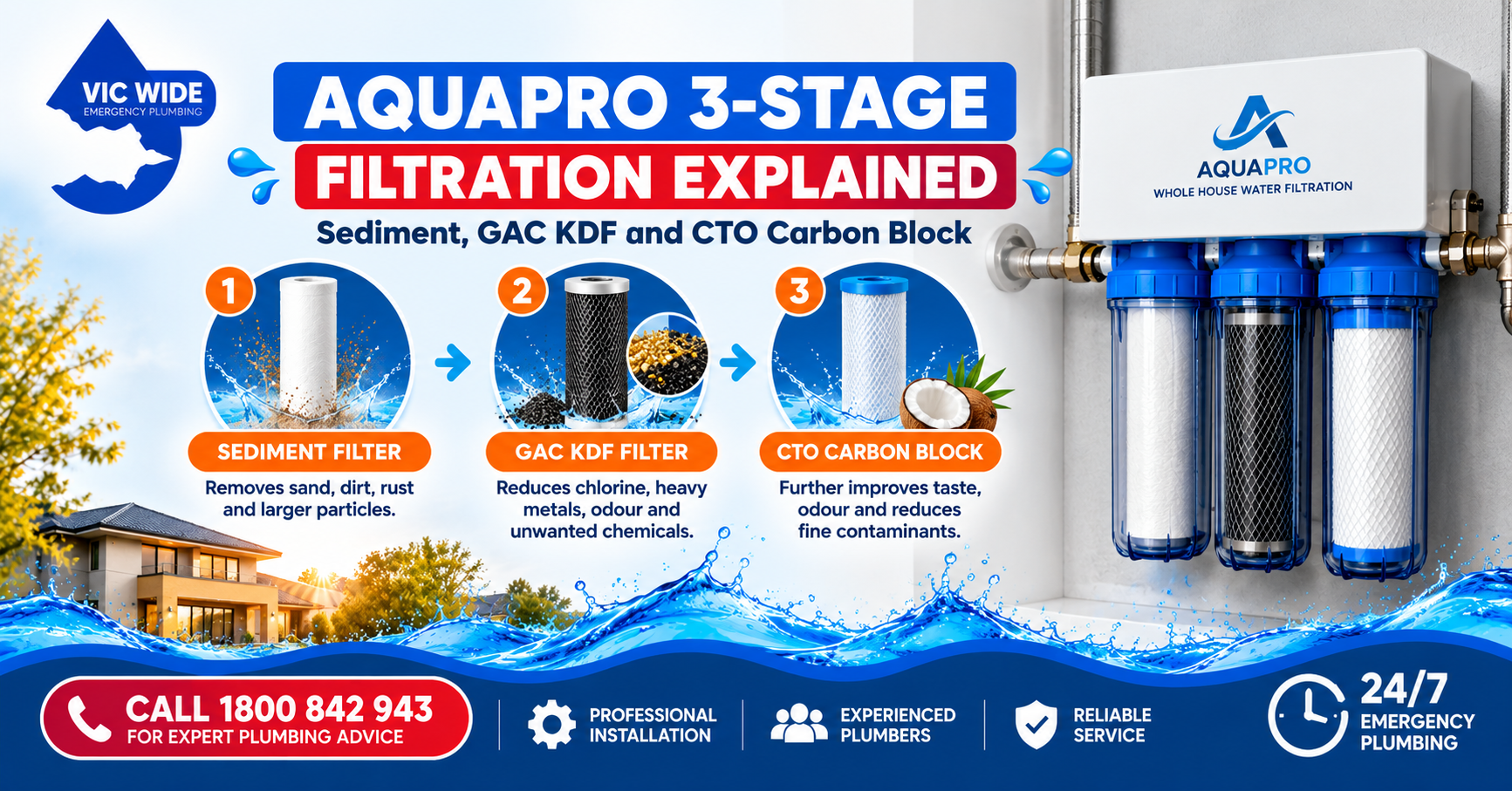 October Oct 2026AquaPro 3-Stage Filtration Explained: Sediment, GAC KDF and CTO Carbon Block
Clean water is an important part of everyday life. From showering and washing clothes to cleaning dishes and using water throughout your home, a reliable water filtration system can help improve your household water quality. The AquaPro 3-stage whole-house water filtration system is designed to filter water as it enters your home. According to the […]
Read More -
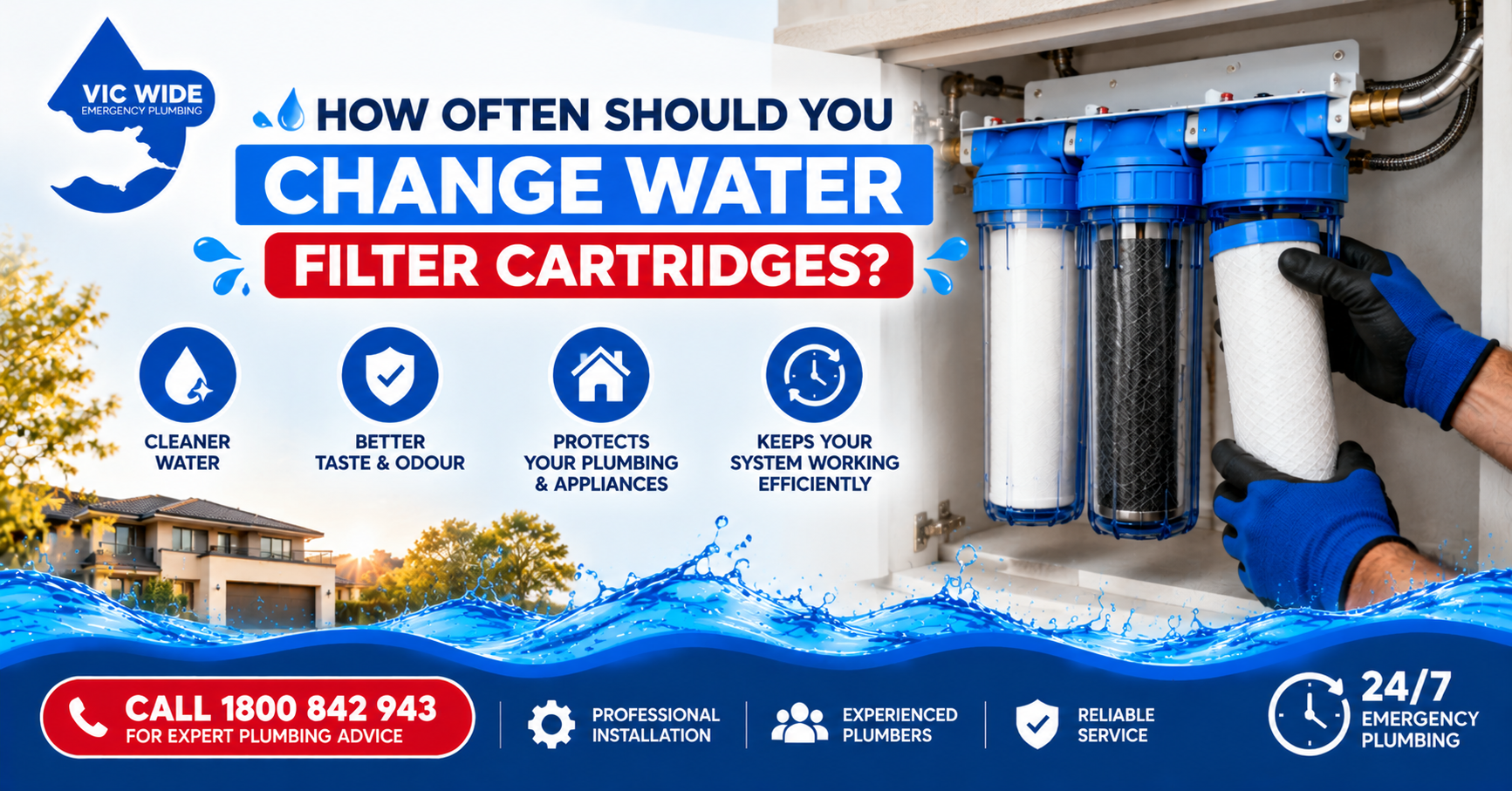 October Oct 2026When to Change Water Filter Cartridges: A Complete Guide for Melbourne Homes
A water filtration system can help improve the taste and odour of water in your home, but regular maintenance is essential to keep it working as intended. One of the most important maintenance tasks is replacing the filter cartridges at the right time. So, how often should you change water filter cartridges? The answer depends […]
Read More -
 October Oct 2026How Much Does Whole House Water Filtration Cost in Melbourne
Are you considering installing a whole-house water filtration system in your Melbourne home? Before making a decision, it is important to understand the potential costs, installation requirements and ongoing maintenance involved. Whole-house water filtration systems are designed to treat incoming water before it reaches connected household outlets. Depending on the system and plumbing layout, this […]
Read More