




Melbourne’s tap water is generally safe to drink, but that doesn’t mean it’s perfect by the time it reaches your kitchen. Chlorine taste and smell, fine sediment from ageing pipes and the occasional cloudy flush after mains work are common complaints across Melbourne homes. A whole house water filtration system tackles these issues at the source, treating every drop of water that enters your property.
In this guide, the team at Vic Wide Emergency Plumbing explains how a 3-stage whole house system works, what each stage does, and why more Melbourne homeowners are making the switch.
What Is a Whole House Water Filtration System?
Unlike a under-sink filter or a jug that only treats drinking water, a whole house system is installed at your main water line, usually where the water enters your home. Every tap, shower, dishwasher, washing machine and hot water system receives filtered water.
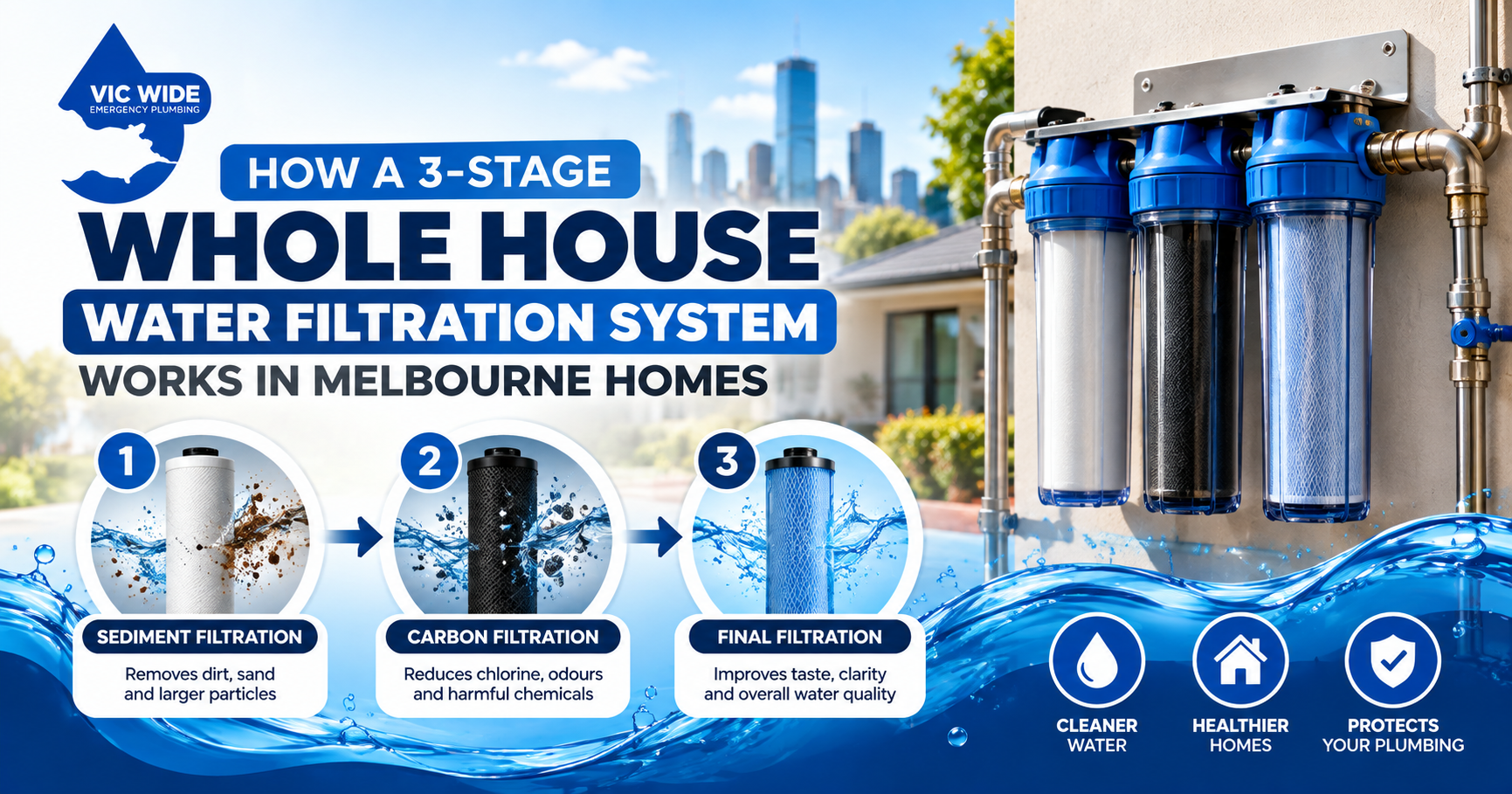
A 3-stage system uses three filter housings in a row. Water passes through each stage in order, and each filter is designed to remove a different type of contaminant.
Stage 1: Sediment Filtration
The first filter is the workhorse that protects everything after it. A sediment cartridge traps physical particles in the water, including:
- Dirt and silt
- Sand and grit
- Rust flakes from older pipes
- Other larger particles
Removing these first stops them from clogging the later stages and from building up in your appliances, tapware and hot water system. It’s also the stage that most visibly improves water clarity.
Stage 2: Carbon Filtration
Once the larger particles are gone, water moves through an activated carbon filter. Carbon works by adsorption, meaning contaminants stick to its surface as water passes through. This stage is designed to reduce:
- Chlorine and chloramine used in water treatment
- Unpleasant odours
- Many organic compounds and chemicals that affect taste and smell
For many families, this is the stage they notice most. Showers feel gentler, drinking water tastes fresher, and that familiar “pool water” smell fades.
Stage 3: Final Filtration
The final stage polishes the water before it enters your home’s plumbing. A fine-grade filter captures remaining fine particles and further improves taste, clarity and overall water quality. Think of it as the finishing touch that makes sure what comes out of your taps is as clean and fresh as possible.
Why Melbourne Homes Benefit
Melbourne’s water comes from protected catchments and is treated to a high standard, but it travels a long way through mains and older pipework before reaching you. Filtration at the point of entry helps with:
- Cleaner water: Better taste, clarity and smell at every tap.
- Healthier homes: Less chlorine exposure in showers and baths, which many people find kinder on skin and hair.
- Protecting your plumbing: Sediment removal helps reduce wear and blockages in appliances, fixtures and fittings, which can extend their life.
What to Expect: Maintenance
Filters don’t last forever. Sediment cartridges commonly need replacing every few months to a year, depending on your water and household usage, while carbon cartridges are typically replaced on a similar or slightly longer schedule. A regular maintenance routine keeps the system working properly and avoids drops in water pressure. Your Vic Wide plumber can advise on a schedule suited to your home.
Frequently Asked Questions 3-Stage Whole House Water Filtration
Is a whole house filter different from a drinking water filter?
Yes. A drinking water filter treats water at one tap. A whole house system treats all water entering your property, including showers, laundry and appliances.
Will a whole house filter reduce my water pressure?
A correctly sized and professionally installed system should have minimal impact on pressure. Pressure drops are usually a sign that filters are overdue for replacement or the system is undersized, which is why professional installation matters.
Is Melbourne tap water unsafe?
No. Melbourne tap water meets Australian drinking water standards. A filtration system is about improving taste, smell, clarity and protecting your plumbing, rather than fixing unsafe water.
Does a 3-stage system remove everything from my water?
No filter removes every contaminant. A 3-stage sediment and carbon system targets particles, chlorine, odours and many chemicals. If you have specific concerns, such as bore or tank water, speak with a plumber about the right solution.
How often do the filters need changing?
It depends on your water quality and usage, but most households replace cartridges every 6 to 12 months. Your plumber can recommend a schedule.
Can I install it myself? We don’t recommend it. A whole house system connects to your main water line, and incorrect installation can cause leaks, pressure problems or compliance issues. A licensed plumber ensures it’s fitted safely and to standard.
How long does installation take? Most standard installations can be completed within a few hours, depending on your home’s layout and plumbing access.
Summary 3-Stage Whole House Water Filtration
A 3-stage whole house water filtration system gives your whole home cleaner, fresher water. Stage one removes dirt, sand and larger particles. Stage two reduces chlorine, odours and chemicals. Stage three improves taste, clarity and overall water quality. The result is cleaner water, a healthier home and better protection for your plumbing, all year round.
Get Your 3-Stage Whole House Water Filtration Installation with Vic Wide
Ready to enjoy cleaner, better-tasting water in every room of your home? Vic Wide Emergency Plumbing installs whole house water filtration systems across Melbourne. Our licensed plumbers will assess your home, recommend the right system and install it neatly, safely and to standard.
Get your 3-Stage Whole House Water Filtration installed with Vic Wide today.
Contact our friendly team for a quote and see the difference clean water makes.
-
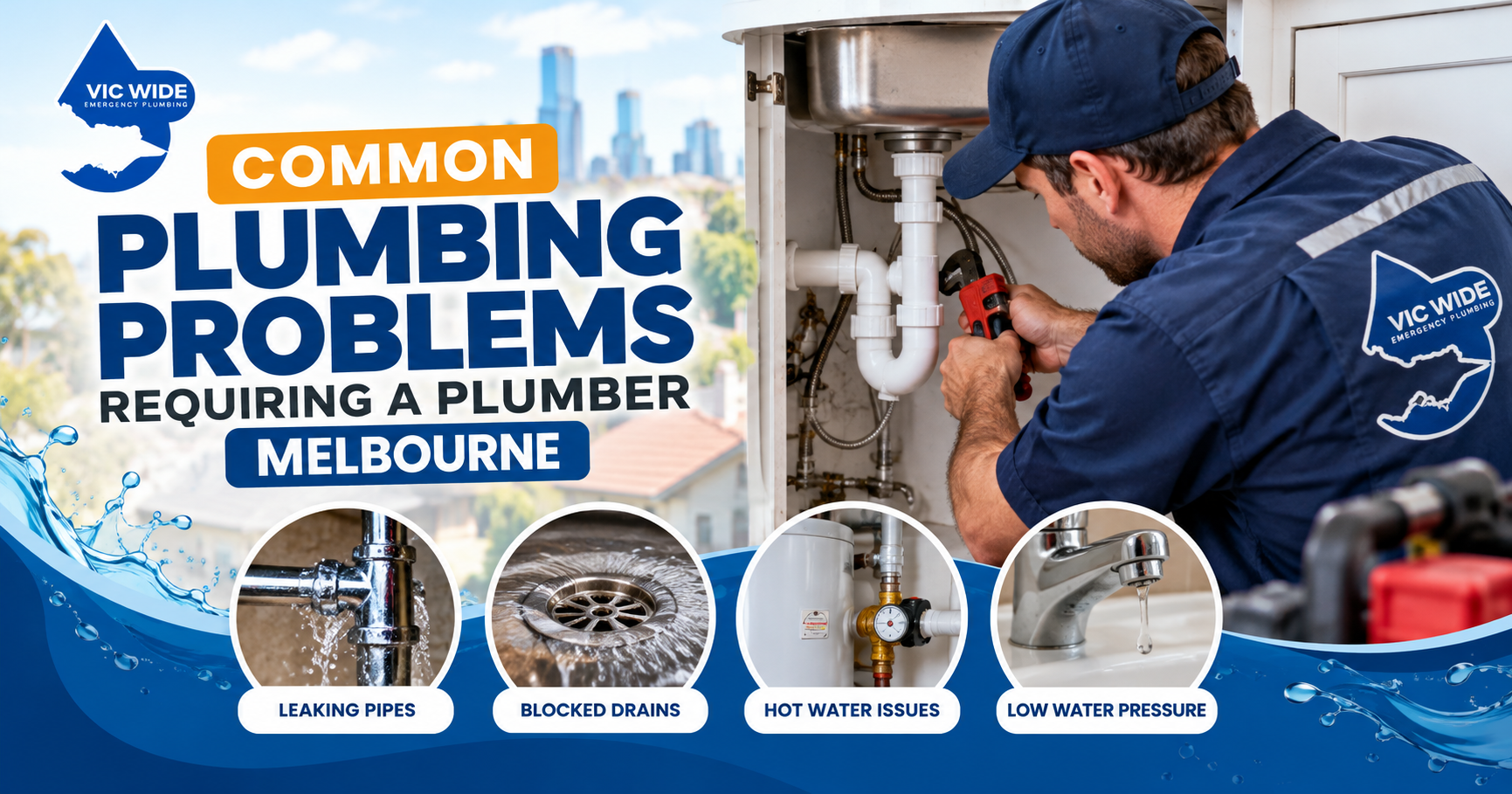 October Oct 2026Common Plumbing Problems Requiring a Plumber in Melbourne
Plumbing problems can occur unexpectedly and quickly disrupt your daily routine. From leaking pipes and blocked drains to hot water failures and low water pressure, even a minor issue can become more serious if it is left unresolved. For homeowners, landlords and business owners, knowing when to contact a professional plumber can help prevent further […]
Read More -
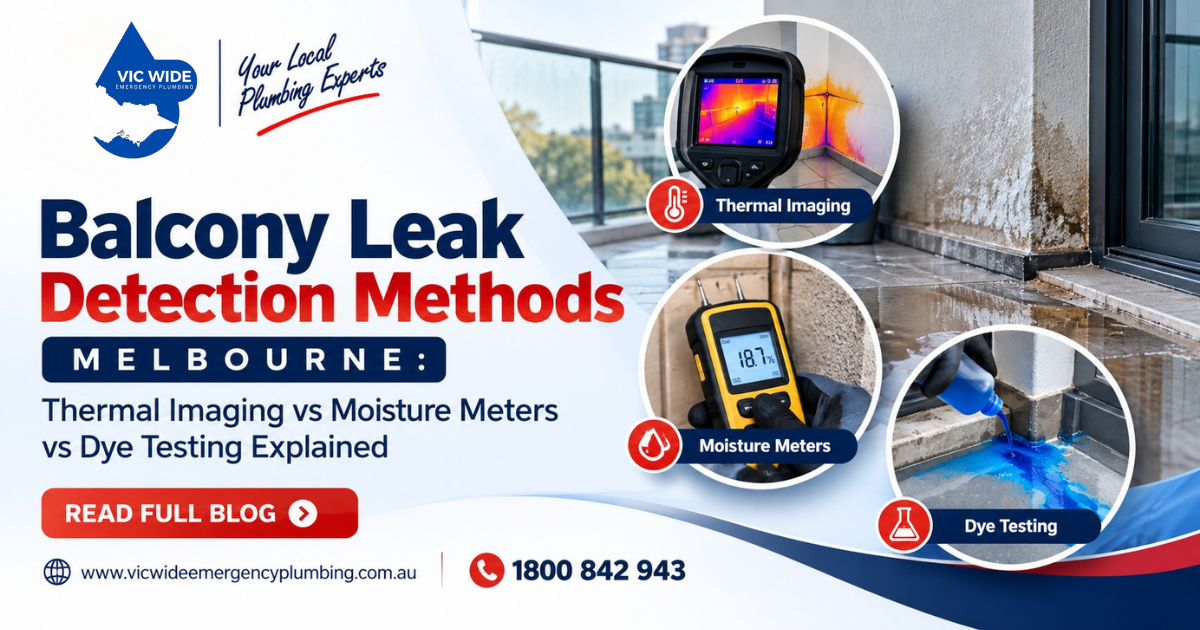 October Oct 2026Balcony Leak Detection Methods Melbourne: Thermal Imaging vs Moisture Meters vs Dye Testing
Balcony leaks can be difficult to identify, especially in Melbourne apartments, townhouses and multi-storey properties. Water can travel beneath tiles, through grout, membranes and concrete slabs before appearing as a damp patch somewhere else. This makes accurate balcony leak detection in Melbourne important. Instead of immediately removing tiles or damaging surfaces, professional leak detection methods […]
Read More -
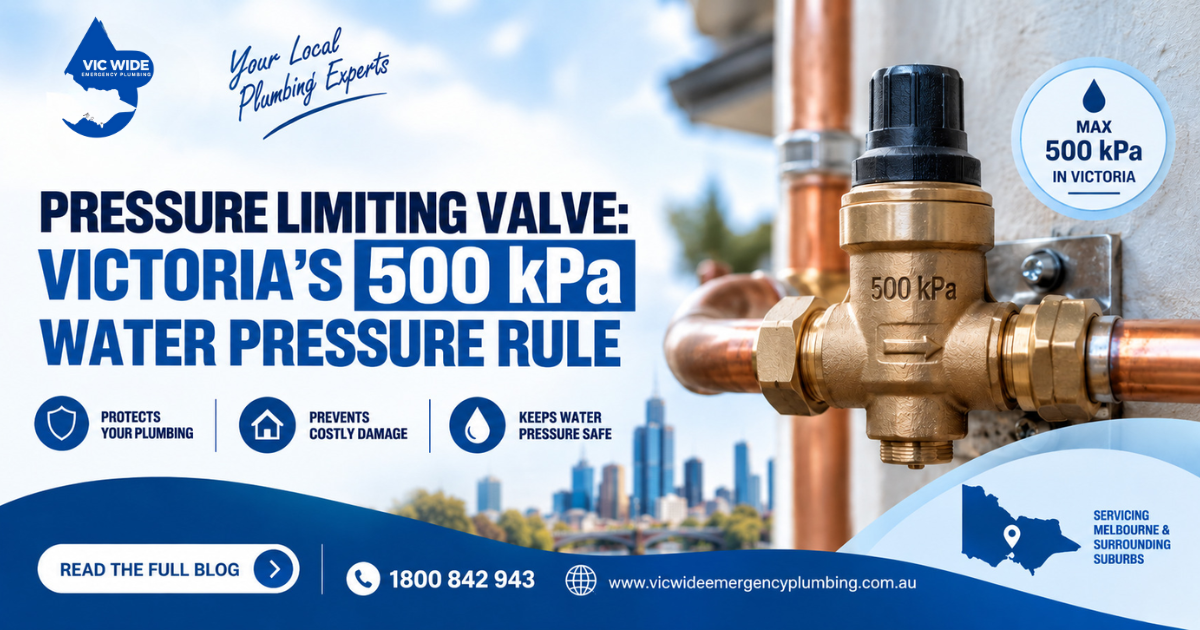 September Sep 2026Pressure Limiting Valve: Victoria’s 500 kPa Water Pressure Rule
If your taps bang when you turn them off, your plumbing fittings fail frequently, or your hot water system seems to require repairs earlier than expected, high mains water pressure could be part of the problem. In Victoria, plumbing standards place a 500 kPa maximum on static water pressure at outlets within a building, excluding […]
Read More