



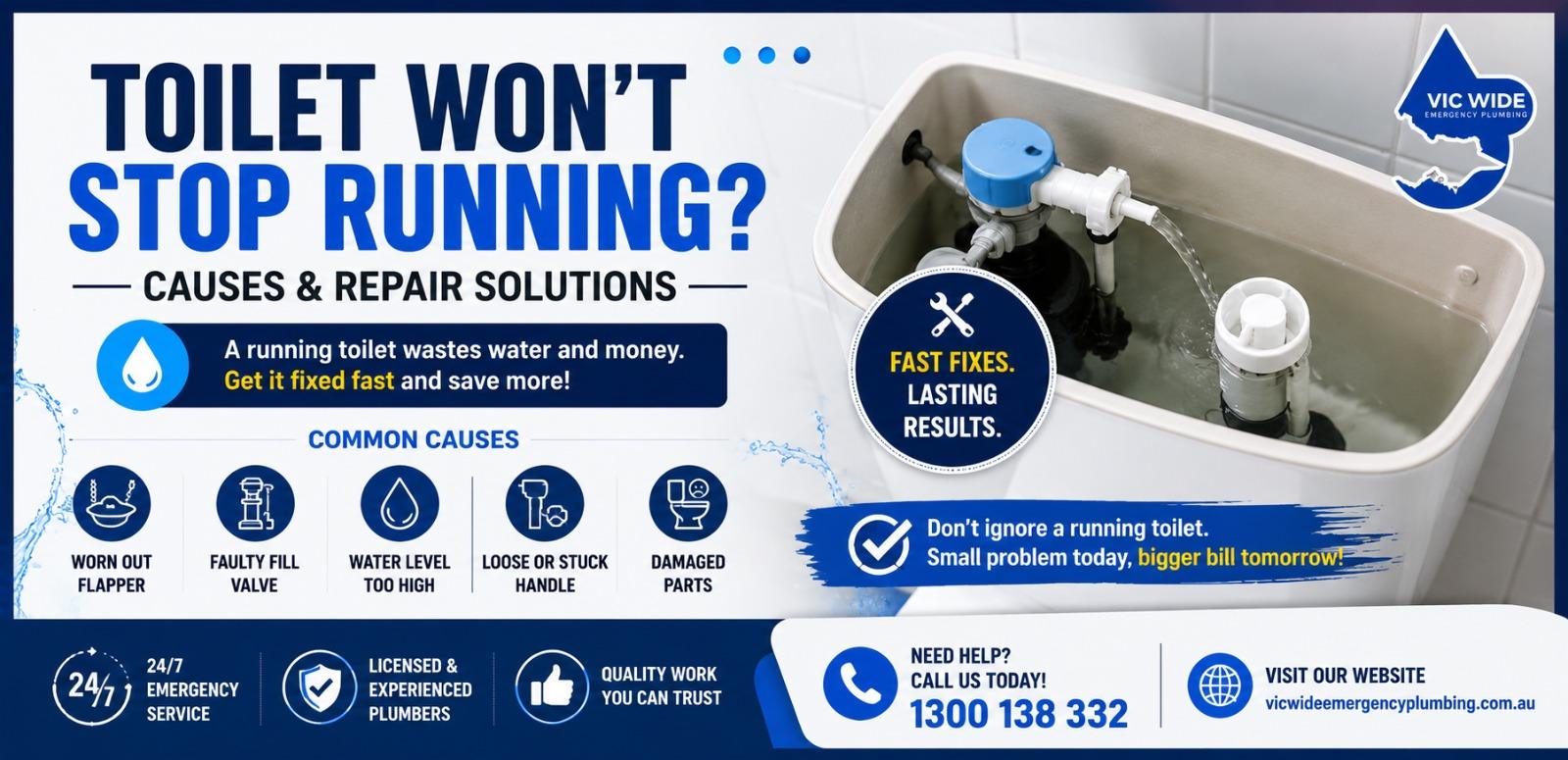
A toilet that continuously runs after flushing may seem like a minor inconvenience, but it can quickly become a costly plumbing issue. If you’ve noticed water constantly flowing into the bowl, unusual sounds coming from the cistern, or higher-than-normal water bills, Toilet Won’t Stop Running? it’s time to investigate the problem.
A running toilet can waste hundreds of litres of water every day, increasing household expenses and placing unnecessary strain on your plumbing system Toilet Won’t Stop Running? . Understanding the cause of the issue can help you determine whether a simple adjustment will solve the problem or if professional repairs are needed.
For homeowners and businesses across Melbourne, Geelong, Ballarat, Bendigo, Somerville, Moe, and surrounding Victorian suburbs, addressing toilet problems early can prevent larger and more expensive plumbing repairs in the future.
Why Does a Toilet Won’t Stop Running? ?
A toilet relies on several components working together correctly. When one part becomes worn, damaged, or misaligned, water may continue flowing into the bowl long after flushing.
Common signs include:
- Constant water running into the toilet bowl
- Hissing or trickling sounds from the cistern
- Frequent refilling of the tank
- Higher water bills
- Weak or incomplete flushing performance
- Water overflowing into the overflow tube
Ignoring these symptoms can lead to ongoing water waste and increased utility costs.
Common Toilet Won’t Stop Running?
1. Worn-Out Flapper Valve
The flapper is a rubber seal located at the bottom of the cistern. After flushing, it should close tightly to stop water from entering the bowl.
Over time, the flapper can:
- Crack
- Warp
- Harden
- Lose its sealing ability
When this happens, water continuously leaks into the bowl, causing the cistern to refill repeatedly.
Signs of a Faulty Flapper:
- Toilet runs intermittently
- Water level slowly drops in the tank
- Visible deterioration of the rubber seal
Replacing a worn flapper is often one of the simplest toilet repairs.
2. Faulty Fill Valve
The fill valve controls how much water enters the cistern after a flush.
If the valve becomes:
- Damaged
- Worn out
- Blocked by debris
it may fail to shut off properly, causing continuous water flow.
Symptoms Include:
- Constant hissing noises
- Tank never fully stops filling
- Overflowing water inside the cistern
A faulty fill valve often requires replacement to restore normal operation.
3. Water Level Set Too High
Every toilet cistern has a recommended water level. If the water level is adjusted too high, excess water flows into the overflow tube.
This results in:
- Continuous water movement
- Unnecessary water waste
- Constant refill cycles
Adjusting the float mechanism can often resolve this issue quickly.
4. Loose or Stuck Flush Handle
The flush handle may seem like a small component, but when it becomes loose, stiff, or stuck, it can prevent the flapper from sealing correctly.
Common issues include:
- Bent lift chains
- Corroded handles
- Chains caught inside the cistern
A quick inspection inside the tank may reveal the cause.
5. Damaged Internal Toilet Components
As toilets age, internal parts naturally wear out.
These may include:
- Float assemblies
- Flush valves
- Seals and gaskets
- Overflow mechanisms
Older toilets often experience multiple component failures simultaneously, making professional diagnosis beneficial.
How Much Water Can a Running Toilet Waste?
Many property owners underestimate the impact of a continuously running toilet.
A small leak can waste significant amounts of water every day, resulting in:
- Increased water bills
- Environmental waste
- Higher utility costs for businesses
- Additional strain on household plumbing systems
The longer the issue continues, the more expensive it becomes.
Simple Checks Homeowners Can Perform
Before arranging repairs, there are a few basic checks you can safely perform.
Inspect the Flapper
Remove the cistern lid and check whether the flapper closes properly after flushing.
Check the Water Level
Verify that the water level sits below the overflow tube.
Examine the Chain
Ensure the chain connected to the flush handle has enough slack and isn’t tangled.
Listen for Continuous Filling
If you hear constant water flow, the fill valve may be malfunctioning.
If these checks do not resolve the problem, professional plumbing assistance may be required.
When Should You Call a Professional Plumber?
While some minor adjustments can be handled easily, ongoing toilet issues often indicate a deeper problem.
Professional plumbing services are recommended when:
- The toilet continues running after adjustments
- Water is leaking externally
- Multiple toilet components have failed
- The cistern is old or heavily worn
- You notice unusually high water bills
- DIY repairs have not resolved the issue
Licensed plumbers can accurately diagnose the problem and ensure repairs are completed safely and efficiently.
Professional Toilet Repair Services Across Victoria
Reliable toilet repairs require more than replacing a single component. Experienced plumbers assess the entire system to identify hidden issues and prevent recurring problems.
Professional services may include:
- Toilet leak detection
- Flapper valve replacement
- Fill valve replacement
- Toilet cistern repairs
- Toilet mechanism upgrades
- Water-saving improvements
- Complete toilet replacements
- Emergency plumbing assistance
Whether you’re located in Melbourne, Geelong, Ballarat, Bendigo, Somerville, Moe, or surrounding Victorian communities, prompt plumbing attention can help prevent unnecessary water waste and future repair costs.
Preventing Future Toilet Problems
Regular plumbing maintenance can significantly reduce the likelihood of recurring toilet issues.
Helpful prevention tips include:
- Inspect toilet components annually
- Replace worn seals before they fail
- Avoid forcing flush handles
- Address unusual noises immediately
- Schedule routine plumbing inspections
- Monitor water bills for unexpected increases
Early intervention is often the most cost-effective approach.
Final Thoughts
A continuously running toilet may appear harmless, but it can waste substantial amounts of water and increase utility expenses over time. From worn flappers and faulty fill valves to incorrect water levels and damaged internal components, there are several potential causes behind the problem.
If your toilet won’t stop running, addressing the issue quickly can help protect your plumbing system, reduce water waste, and avoid larger repair costs down the track. Professional plumbers have the tools and expertise to identify the cause accurately and restore your toilet’s performance efficiently.
-
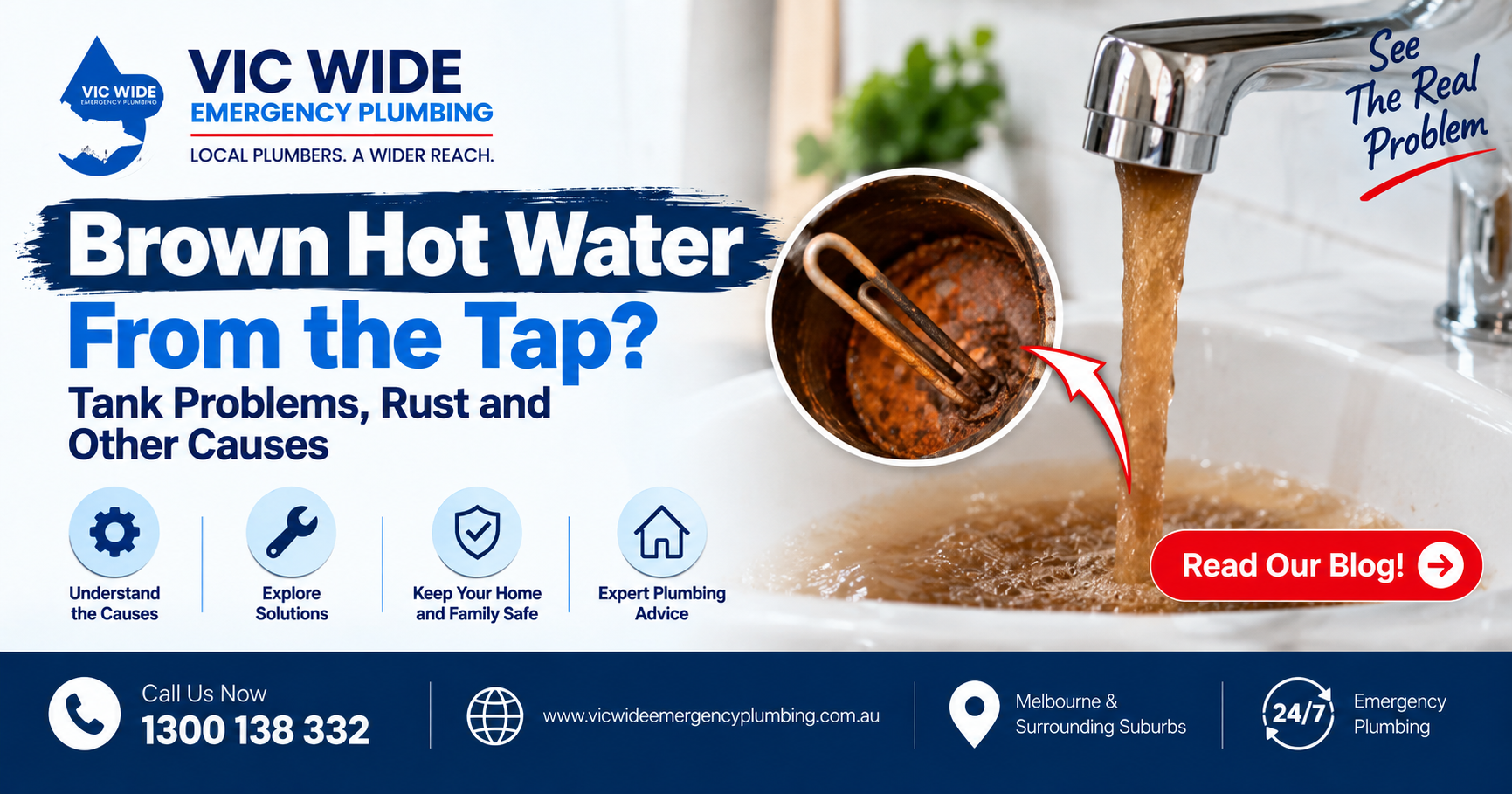 September Sep 2026Why Is My Hot Water Brown? Causes and Solutions for Melbourne Homes
Turning on the tap and seeing brown water can be concerning, especially when you expect clean, clear hot water. If you are asking, “Why is my hot water brown?”, the issue may be connected to rust, sediment, corrosion or ageing components within your hot water system or plumbing. Brown hot water is more common in […]
Read More -
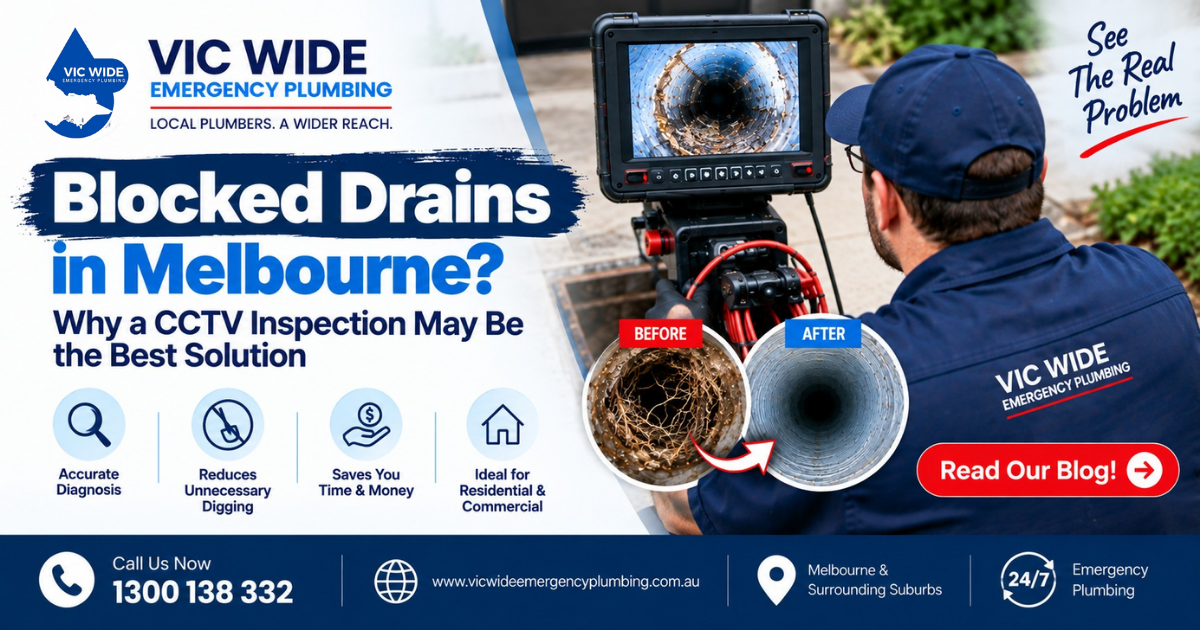 September Sep 2026Blocked Drains in Melbourne? Why a CCTV Inspection May Be the Best Solution
Blocked drains are a common plumbing problem in Melbourne homes and businesses. While a plunger or drain cleaner may provide temporary relief, recurring blockages often indicate a deeper issue that cannot be identified from the surface. A CCTV drain inspection uses a specialised camera to examine the inside of drainage pipes. This technology helps plumbers […]
Read More -
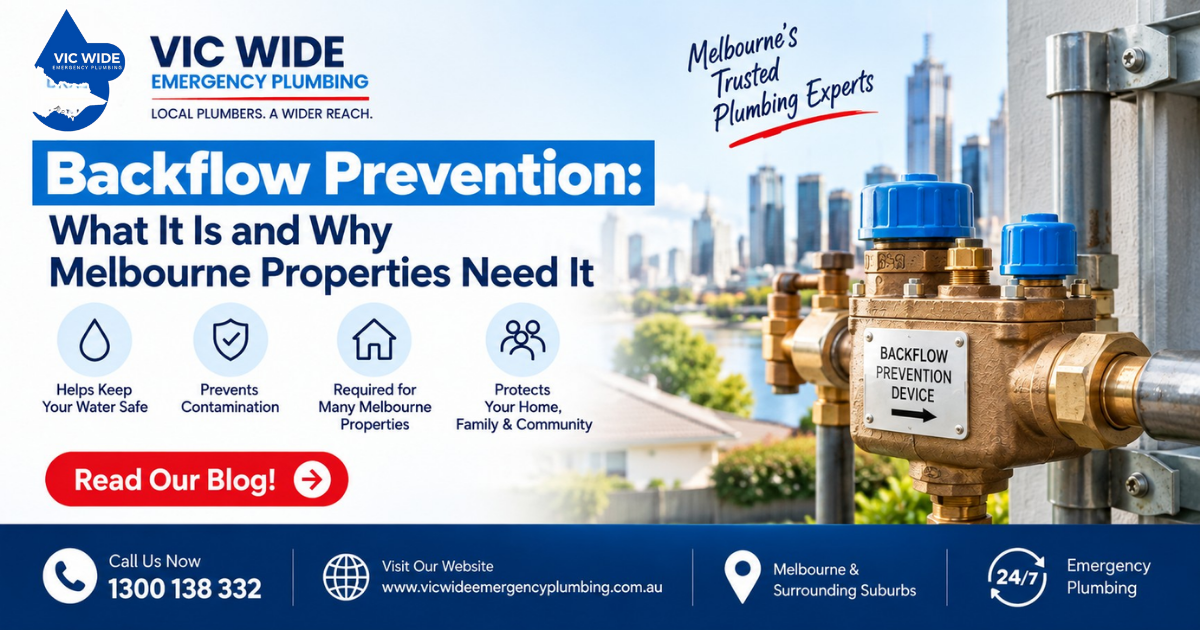 September Sep 2026Backflow Prevention: What It Is and Why Melbourne Properties Need It
Water is essential for every home, business and commercial property. However, if contaminated water flows backwards into the clean water supply, it can create serious health and safety risks. This is known as backflow, and backflow prevention devices are designed to help stop it from happening. For Melbourne property owners, understanding backflow prevention is important […]
Read More