




Having clean, filtered water throughout your home can make everyday activities more convenient. From drinking and cooking to showering and washing, a whole-home water filtration system is designed to treat water as it enters your property, helping provide filtered water from multiple taps.
But how does the installation process work? Does a plumber need to inspect your existing plumbing? How long does installation take, and what happens after the system is fitted?
At Vic Wide Emergency Plumbing, we believe homeowners should understand what to expect before investing in a whole-home water filtration system. Here is a simple guide explaining the installation process, from your first assessment to ongoing filter maintenance.
What Is a Whole-Home Water Filtration System?
A whole-home water filtration system is installed where the main water supply enters your property. Instead of filtering water at just one kitchen tap, the system treats the incoming water before it travels through your home’s plumbing.
This means filtered water can be supplied to connected taps, showers and other water outlets throughout the house.
Depending on the filtration technology and the system selected, it may help reduce sediment, chlorine taste and odour. The actual filtration performance depends on the system’s specifications and the quality of the incoming water.
How Whole-Home Water Filter Installation Works
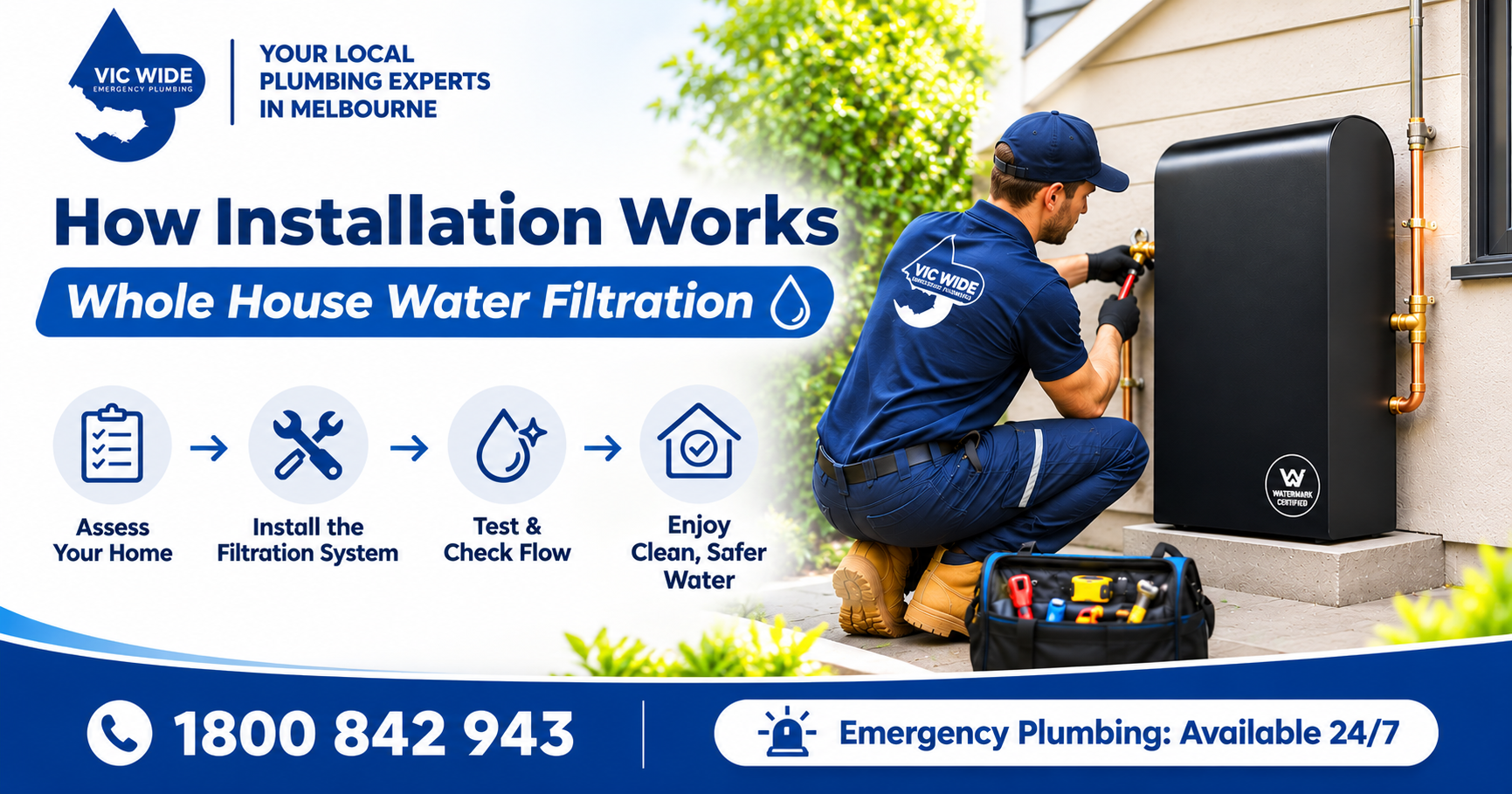
Installing a whole-home water filtration system involves several important steps. A professional plumber assesses your plumbing, selects a suitable installation location, connects the system and checks its operation.
Step 1: Book a Free In-Home Assessment
The process begins with arranging an in-home assessment.
A plumbing professional visits your property to understand your water filtration requirements and inspect the existing plumbing setup.
During this assessment, the plumber may consider:
- Your main water supply connection
- Existing pipework and plumbing condition
- Available space for the filtration unit
- Installation access and positioning
- Your household’s water usage requirements
This initial inspection helps determine whether the selected filtration system is suitable for your property.
Step 2: Water and Plumbing Inspection
Once the assessment is complete, the plumber checks the water supply and plumbing arrangements in more detail.
This helps identify any installation requirements, including the appropriate connection point, available space and whether additional plumbing work may be needed.
You can then receive a written quote outlining the proposed work and associated costs. Make sure you understand what is included before approving the installation.
Step 3: Professional Installation of the Filtration System
After the quote is approved, a licensed plumber installs the whole-home filtration unit.
The system is generally connected to the incoming cold-water line using suitable plumbing connections and shut-off valves. These valves allow the water supply to be isolated when servicing or replacing filters.
The plumber will typically:
- Prepare the installation area.
- Isolate the water supply.
- Connect the filtration unit to the incoming water line.
- Install the required shut-off valves and fittings.
- Secure the system in its designated position.
- Flush the system according to the manufacturer’s instructions.
Professional installation is important to ensure the connections are secure and the system is installed according to its specifications.
Step 4: Test the System and Check Water Flow
Once installation is complete, the plumber checks the system before it is put into regular use.
This stage may include checking:
- Plumbing connections for leaks
- Water flow through the system
- Shut-off valve operation
- Correct installation and flushing
- Any manufacturer-specified commissioning requirements
The aim is to confirm that the system is operating correctly and supplying water to the connected outlets.
Step 5: Enjoy Filtered Water and Maintain Your System
After successful installation and testing, your whole-home filtration system is ready for use.
You can enjoy the convenience of filtered water at connected taps throughout your home, subject to the system’s design and filtration capabilities.
However, installation is not the end of the process. Filter cartridges need to be replaced according to the manufacturer’s recommended schedule.
Your plumber can explain the maintenance requirements and help you understand when replacement cartridges are due. Keeping up with scheduled maintenance helps the filtration system continue operating as intended.
Why Choose Professional Whole-Home Water Filter Installation?
A whole-home filtration system connects directly to your property’s main water supply. Incorrect installation can lead to leaks, poor connections or water-flow issues.
Using a licensed plumbing professional can help ensure:
- Correct connection to the water supply
- Suitable positioning of the filtration unit
- Proper installation of shut-off valves
- Secure plumbing connections
- Appropriate flushing and system checks
- Clear guidance on future filter maintenance
The right installation also helps you understand how to operate and maintain your filtration system.
How Often Should Water Filter Cartridges Be Replaced?
Filter replacement frequency depends on the filtration system, cartridge type, incoming water quality and household water usage.
Some systems have specific replacement intervals, while others may include indicators or monitoring features.
Always follow the manufacturer’s recommendations rather than waiting until you notice a change in water quality or flow. Your installer can explain the correct replacement schedule for your particular system.
Summary: A Simple Process from Assessment to Installation
Installing a whole-home water filtration system involves more than simply connecting a filter to a pipe. It starts with assessing your property and understanding your plumbing requirements, followed by professional installation, flushing, testing and ongoing maintenance.
The five main stages are:
- Book an assessment: Arrange an inspection of your home and plumbing.
- Check your water and plumbing: Confirm the installation requirements and receive a written quote.
- Install the system: Have a licensed plumber connect the filtration unit to your incoming water line.
- Test the installation: Check connections, water flow and system operation.
- Maintain the filters: Follow the recommended cartridge replacement schedule.
With the right system and professional installation, whole-home water filtration can be a practical addition to your property’s plumbing.
Frequently Asked Questions
1. How long does whole-home water filter installation take?
Installation time depends on the filtration unit, the location, access to the main water supply and the condition of the existing plumbing. Your plumber can provide a more accurate estimate after assessing your property.
2. Where is a whole-home water filtration system installed?
It is generally installed near the point where the main water supply enters your home. This allows the system to filter incoming water before it travels to connected plumbing outlets.
3. Does a whole-home water filter supply filtered water to every tap?
A correctly installed whole-home system is designed to supply filtered water to connected outlets throughout the property. The exact coverage depends on the plumbing layout and system configuration.
4. Does the plumber need to turn off the water during installation?
Yes. The water supply generally needs to be isolated while the plumber connects the filtration system and completes the required plumbing work.
5. Why are shut-off valves installed with the filtration system?
Shut-off valves allow the water supply to be isolated when the filtration unit needs servicing or its cartridges need replacing. This makes future maintenance more convenient.
6. Will a whole-home water filter reduce chlorine taste and odour?
Some filtration systems are designed to reduce chlorine taste and odour. The result depends on the filtration technology, product specifications and incoming water conditions.
7. How often do filter cartridges need replacing?
Replacement intervals vary depending on the system, cartridge type, water quality and household usage. Follow the manufacturer’s instructions and ask your installer about the recommended schedule.
8. Can a whole-home water filtration system be installed in an existing home?
In many cases, yes. A plumber can inspect the existing water supply, pipework and available installation space to determine whether the system is suitable.
9. Does a whole-home filtration system require regular maintenance?
Yes. Filter cartridges need periodic replacement, and the system should be checked according to the manufacturer’s maintenance recommendations.
10. How can I arrange whole-home water filtration installation in Melbourne?
Contact Vic Wide Emergency Plumbing to discuss your requirements and arrange an in-home assessment. A plumbing professional can inspect your setup and explain the next steps.
Contact Vic Wide Emergency Plumbing
Need help with whole-home water filtration installation?
Vic Wide Emergency Plumbing
-
Phone: 1800 842 943
-
Email: info@vicwideemergencyplumbing.com.au
-
Website: www.vicwideemergencyplumbing.com.au
-
Service Area: Metro Melbourne
Call today to discuss your water filtration requirements and arrange an in-home assessment.
-
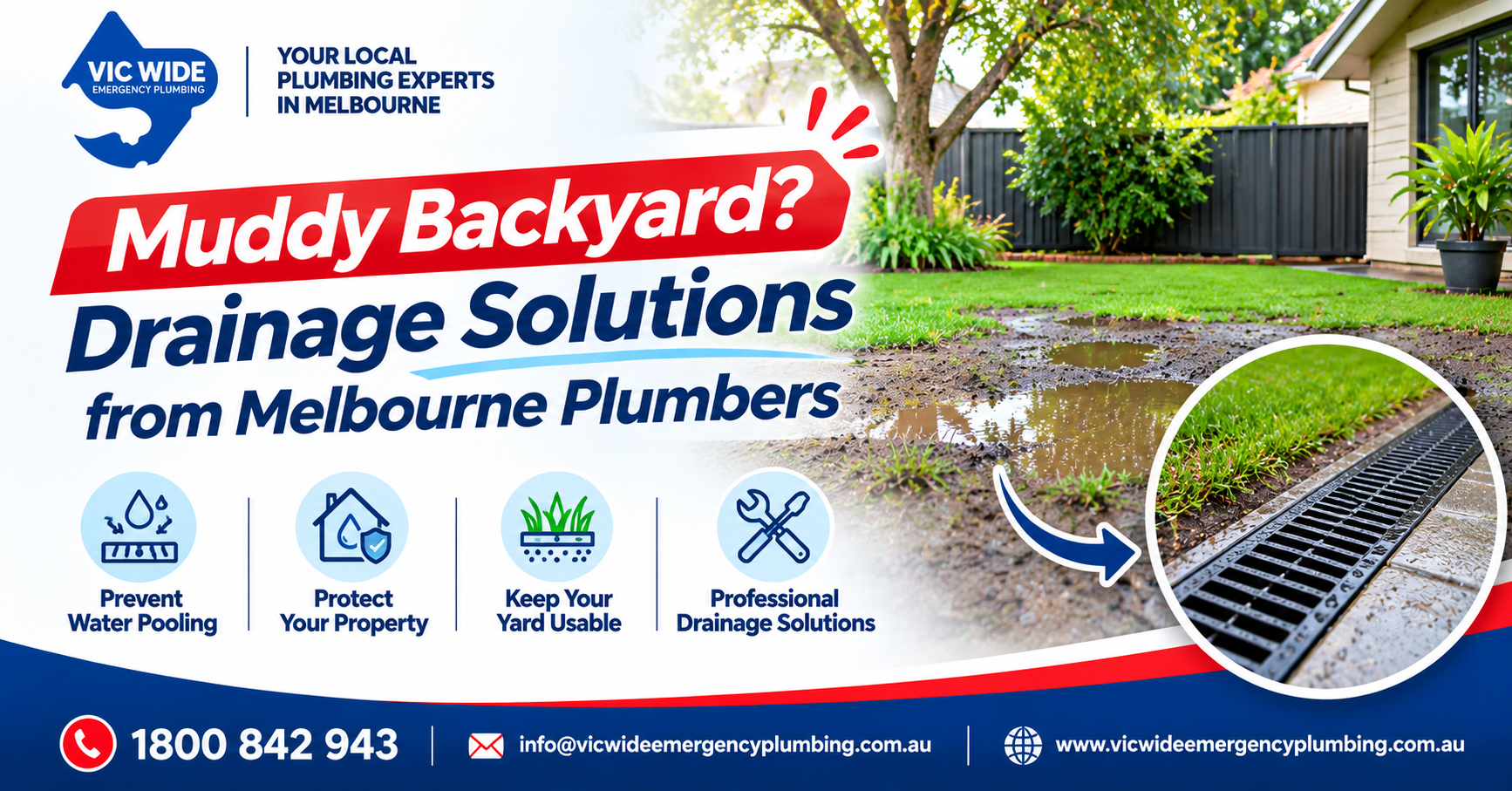 November Nov 2026Muddy Backyard? Drainage Solutions from Melbourne Plumbers
A beautiful backyard is something every homeowner wants to enjoy throughout the year. Whether you have a lawn for the family, a garden to relax in or an outdoor entertaining area, a dry and healthy yard makes a big difference. But what happens when your backyard becomes muddy and waterlogged every time it rains? Standing […]
Read More -
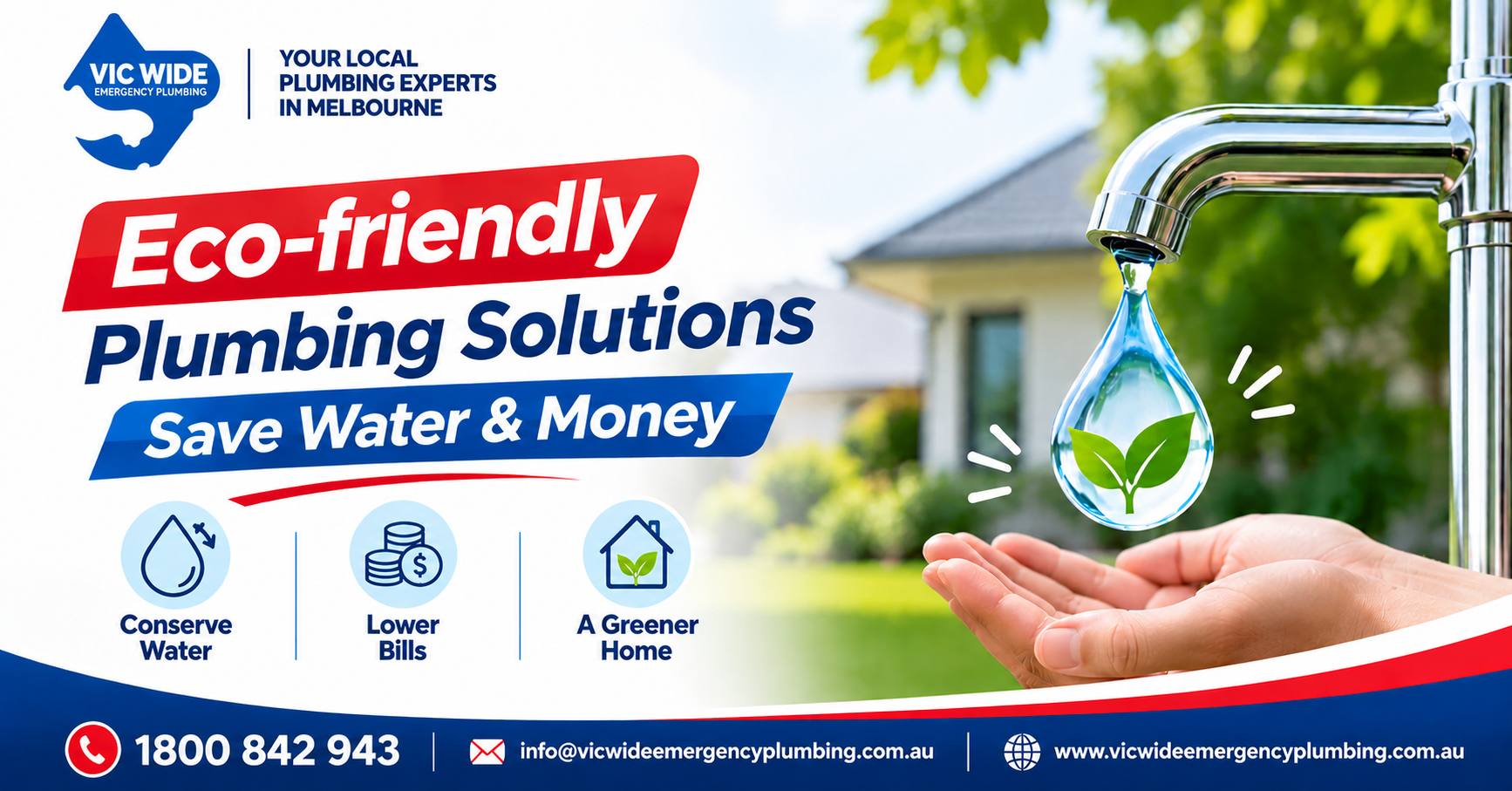 November Nov 2026Eco-Friendly Plumbing Solutions: Save Water and Money at Home
With rising water costs and growing awareness of environmental sustainability, more Australian homeowners are looking for practical ways to reduce water consumption without compromising everyday comfort. One of the easiest ways to make your property more sustainable is by choosing eco-friendly plumbing solutions. From fixing leaking taps and installing water-efficient fixtures to exploring greywater systems […]
Read More -
 November Nov 2026Greywater Systems: A Homeowner’s Guide to Reusing Water Efficiently
Water conservation is becoming increasingly important for Australian households. With changing weather conditions, rising water costs and growing awareness of sustainability, many homeowners are exploring smarter ways to reduce water consumption. One solution gaining attention is a greywater system. These systems collect and reuse wastewater from selected household activities, helping reduce the amount of fresh […]
Read More