



A Gas Leak Detection is one of the most serious emergencies that can occur in any residential, commercial, or industrial property. While natural gas is a reliable and efficient energy source for cooking, heating, and hot water systems, a damaged gas pipe, faulty appliance, or loose connection can quickly turn into a dangerous situation if left unattended.
If you ever notice the distinct smell of gas inside or around your property, every second counts. Knowing what to do—and just as importantly, what not to do—can significantly reduce the risk of fire, explosion, or exposure to harmful gases.
At Vic Wide Emergency Plumbing, we understand how critical gas emergencies can be. Our licensed and insured plumbers provide 24/7 emergency plumbing services throughout Melbourne and surrounding areas, helping homeowners and businesses respond quickly and safely to plumbing emergencies.
This guide explains the warning signs of a Gas Leak Detection , immediate safety actions, common causes, prevention tips, and why professional assistance is essential.
Why Gas Leaks Are Considered Plumbing Emergencies
Many people underestimate the seriousness of a suspected Gas Leak Detection. Even a small leak can create a hazardous environment, particularly if the gas accumulates inside an enclosed space.
Potential dangers include:
- Fire hazards
- Gas explosions
- Property damage
- Health risks from prolonged exposure
- Reduced indoor air quality
- Damage to gas appliances
- Safety risks for neighbouring properties
Because gas is highly combustible, it should always be treated as an emergency.
Understanding the Smell of Gas
Natural gas is naturally odourless. To make leaks easier to detect, suppliers add a harmless chemical that produces a strong sulphur-like smell, often described as rotten eggs.
If you notice this unusual odour:
- Never ignore it.
- Never assume it will disappear.
- Never continue using gas appliances.
The smell is designed to warn occupants before the situation becomes dangerous.
Common Causes of Gas Leaks
Gas leaks can develop for several reasons, including ageing infrastructure, accidental damage, or equipment failure.
Some of the most common causes include:
Damaged Gas Pipes
Over time, underground and exposed gas pipes may deteriorate due to age, corrosion, shifting soil, or accidental impact during construction work.
Faulty Gas Appliances
Older gas heaters, ovens, cooktops, hot water systems, and other gas-powered appliances may develop worn seals or faulty connections that allow gas to escape.
Loose Pipe Connections
Poorly secured joints or fittings may gradually loosen due to vibration, temperature changes, or general wear.
Corrosion
Metal gas pipes can weaken after years of exposure to moisture and environmental conditions, increasing the likelihood of leaks.
Poor Installation
Improper installation of gas appliances or pipework may result in unsafe connections that require professional correction.
Warning Signs of a Gas Leak
Although the smell of gas is usually the first warning sign, there are several other indicators that should never be ignored.
These include:
- A strong rotten egg odour
- Hissing or whistling sounds near gas pipes
- Dead or dying plants near underground gas lines
- Bubbling water where underground pipes are located
- Pilot lights frequently going out
- Higher than expected gas usage
- Unusual sounds around gas appliances
Recognising these warning signs early can prevent a minor issue from becoming a major emergency.
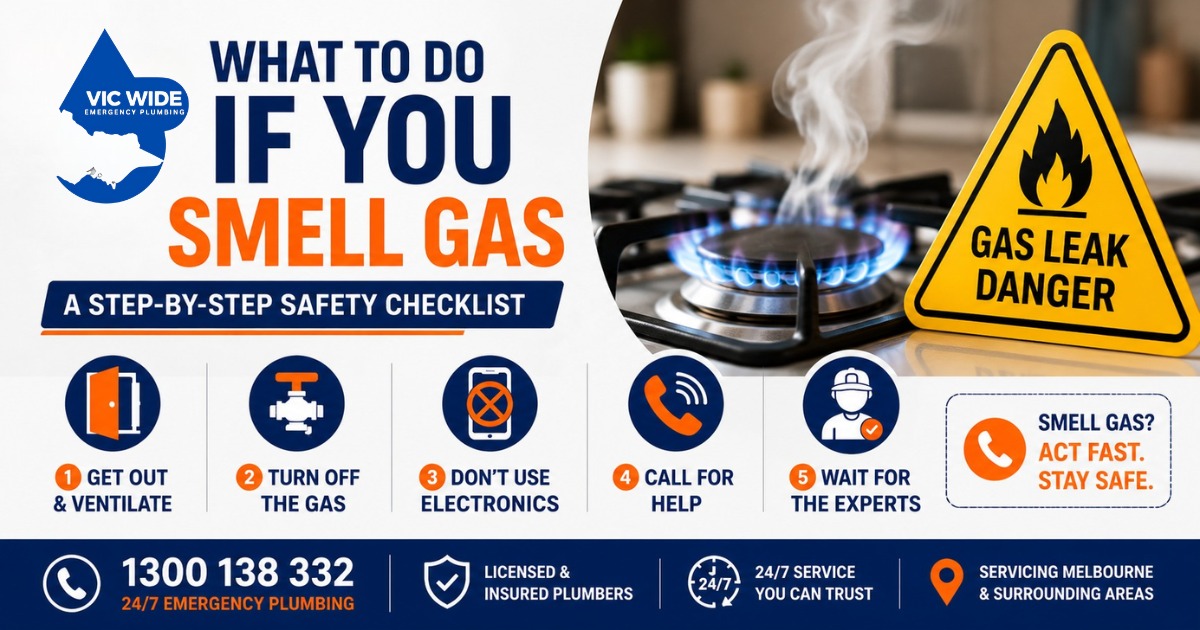
Step 1: Leave the Property Immediately
The first priority during any suspected gas leak is protecting everyone inside the building.
If you smell gas:
- Stay calm.
- Help family members or occupants leave safely.
- Exit the property immediately.
- Keep a safe distance from the building.
Do not remain indoors trying to locate the exact source of the leak.
Step 2: Ventilate the Area If It Is Safe
If the smell is detected early and it is completely safe to do so while leaving the property:
- Open doors.
- Open windows.
- Allow fresh air to circulate naturally.
Never stay inside solely to ventilate the building if doing so puts your safety at risk.
Step 3: Turn Off the Gas Supply (Only If Safe)
If you know where your property’s gas isolation valve is located and it can be accessed safely without entering a heavily affected area, turn off the gas supply.
However:
- Never take unnecessary risks.
- Never enter enclosed spaces with a strong gas smell.
- Never attempt to repair the leak yourself.
Your safety always comes first.
Step 4: Do Not Use Electrical Devices
One of the biggest mistakes people make during a gas leak is using electrical equipment.
Avoid using:
- Light switches
- Mobile phones while inside
- Doorbells
- Garage door remotes
- Electrical appliances
- Fans
- Power outlets
Even a tiny spark has the potential to ignite accumulated gas.
Only make phone calls after you have moved to a safe outdoor location.
Step 5: Call for Professional Assistance
Once everyone is safely outside, contact experienced emergency plumbing professionals.
Vic Wide Emergency Plumbing offers:
- Licensed and insured plumbers
- Emergency plumbing services
- Rapid response
- Professional gas-related plumbing assistance
- Service across Melbourne and surrounding areas
Emergency Contact: 1300 138 332
Prompt professional attention helps minimise risk and ensures the gas system is inspected correctly.
Step 6: Wait for the Experts
After reporting the emergency:
- Stay outside.
- Do not re-enter the property.
- Keep others away from the affected area.
- Wait until qualified professionals advise it is safe.
Returning too early could expose you to unnecessary danger.
Why DIY Gas Repairs Are Never Recommended
Attempting to repair a gas leak without proper training can significantly increase the risk of injury or property damage.
DIY repairs may result in:
- Incorrect pipe repairs
- Worsening the leak
- Fire hazards
- Damage to appliances
- Future gas system failures
Gas systems require specialised knowledge, equipment, and safety procedures. Professional inspection is always the safest approach.
Professional Gas Leak Detection
Modern gas leak detection involves specialised tools designed to identify leaks accurately without unnecessary disruption.
Professional inspections may include:
- Gas line assessments
- Pipework inspections
- Appliance connection checks
- Pressure testing
- Leak identification
- Safety testing
- System performance evaluations
These methods help locate the source of the problem while ensuring the entire gas system is operating safely.
Preventing Future Gas Leaks
Although not every gas leak can be prevented, regular maintenance greatly reduces the risk.
Helpful preventative measures include:
Schedule Regular Gas Appliance Servicing
Routine servicing helps identify worn parts before they become hazardous.
Inspect Older Pipework
Older properties may benefit from periodic inspections of ageing gas pipes and fittings.
Watch for Warning Signs
Never ignore unusual smells, noises, or appliance performance issues.
Avoid DIY Installations
Always have gas appliances installed by qualified professionals.
Arrange Routine Plumbing Inspections
Preventative inspections can identify developing issues before they become costly emergencies.
Why Melbourne Property Owners Trust Vic Wide Emergency Plumbing For Gas Leak Detection
Gas emergencies demand immediate attention, professional knowledge, and reliable service.
Vic Wide Emergency Plumbing is trusted because we provide:
- Licensed & insured plumbers
- 24/7 emergency plumbing services
- Prompt response times
- Reliable workmanship
- Professional customer service
- Servicing Melbourne and surrounding areas
Whether you’re dealing with a suspected gas leak or another urgent plumbing issue, responding quickly can make all the difference.
Call Vic Wide Emergency Plumbing on 1300 138 332 for prompt emergency plumbing assistance.
Conclusion
Gas leaks should never be ignored. A strange gas smell, hissing pipe, or malfunctioning appliance could indicate a serious issue that requires immediate attention. By leaving the property, avoiding electrical devices, turning off the gas supply only if it is safe, and contacting experienced professionals, you can significantly reduce the risk of injury and property damage.
Understanding these simple safety steps helps protect your family, employees, and property while ensuring the issue is addressed correctly. When it comes to gas-related plumbing emergencies, acting quickly is always the safest decision.
If you require professional emergency plumbing assistance, Vic Wide Emergency Plumbing is available with licensed and insured plumbers, providing 24/7 emergency plumbing services across Melbourne and surrounding areas.
Emergency Contact: 1300 138 332
Frequently Asked Questions (FAQs)
1. What should I do immediately if I smell gas in my home?
Leave the property immediately, ensure everyone else exits safely, avoid using electrical devices, and call for professional assistance once you are outside.
2. Is it safe to switch off lights if I smell gas?
No. Avoid operating light switches or any electrical equipment inside the property, as even a small spark can present a safety risk.
3. Can a small gas smell disappear on its own?
You should never assume that a gas smell will disappear without investigation. Any suspected gas leak should be treated seriously and inspected by qualified professionals.
4. What are the most common signs of a gas leak?
Common warning signs include a rotten egg smell, hissing sounds near gas pipes, pilot lights going out, dying vegetation near gas lines, and unusual gas appliance behaviour.
5. Does Vic Wide Emergency Plumbing provide emergency plumbing services?
Yes. Vic Wide Emergency Plumbing provides licensed and insured plumbers, 24/7 emergency plumbing services, and services Melbourne and surrounding areas. For assistance, call 1300 138 332.
-
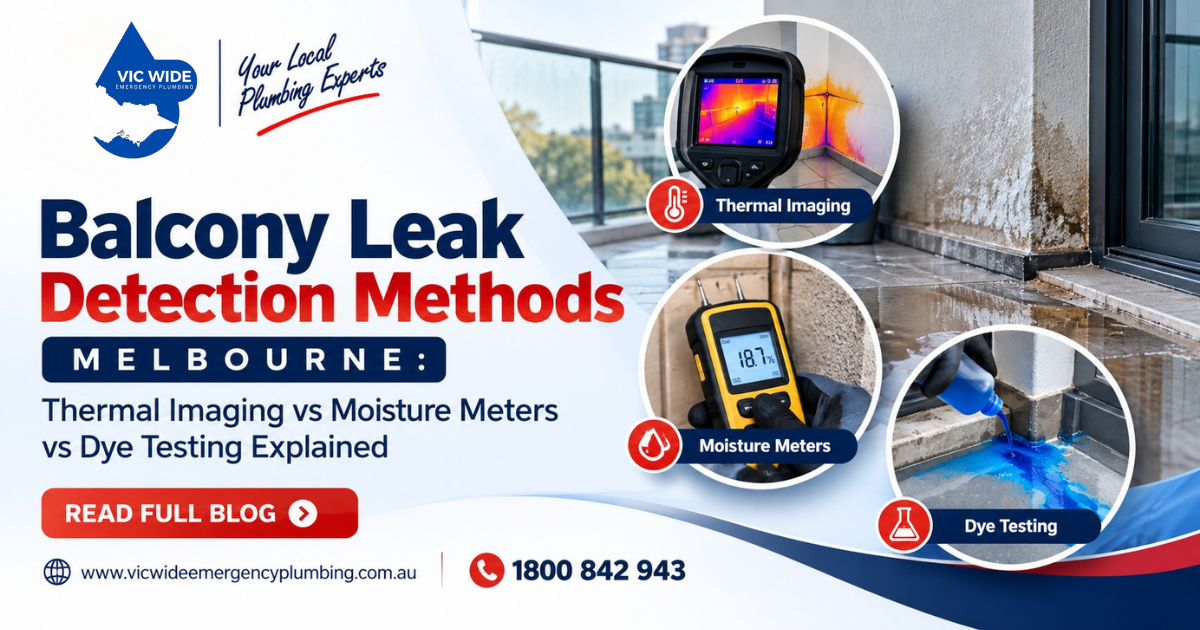 October Oct 2026Balcony Leak Detection Methods Melbourne: Thermal Imaging vs Moisture Meters vs Dye Testing
Balcony leaks can be difficult to identify, especially in Melbourne apartments, townhouses and multi-storey properties. Water can travel beneath tiles, through grout, membranes and concrete slabs before appearing as a damp patch somewhere else. This makes accurate balcony leak detection in Melbourne important. Instead of immediately removing tiles or damaging surfaces, professional leak detection methods […]
Read More -
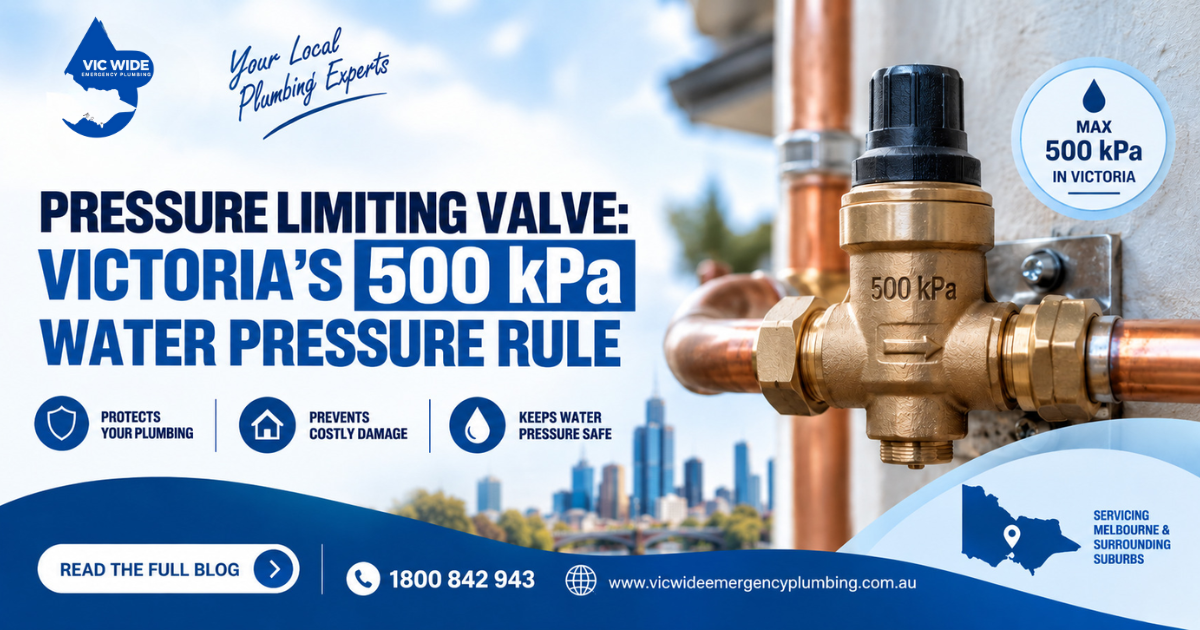 September Sep 2026Pressure Limiting Valve: Victoria’s 500 kPa Water Pressure Rule
If your taps bang when you turn them off, your plumbing fittings fail frequently, or your hot water system seems to require repairs earlier than expected, high mains water pressure could be part of the problem. In Victoria, plumbing standards place a 500 kPa maximum on static water pressure at outlets within a building, excluding […]
Read More -
 September Sep 2026Burst Pipes in Hoppers Crossing: What to Do Before the Plumber Arrives
A burst pipe can quickly turn into a major plumbing emergency. Water can spread through walls, floors and ceilings within minutes, potentially causing significant damage to your Hoppers Crossing property. Knowing what to do before the plumber arrives can help reduce the amount of water escaping and minimise the risk of further damage. What Is […]
Read More